A new journey, a new horizon, and new inspirations.As the semester filled with fresh energy,we interviewed Emily,a Korean international student majoring in Fashion Design,who joined SCF x ECA exchange program during her junior year.
She is currently in her senior year,holding a student leadership position at Edinburgh College of Art,and has also won the IFS award in folk-inspired fashion.This interview is mainly about how her study experience at SCF shaped her international vision and design journey.
Q1
Could you please give a brief self-introduction?
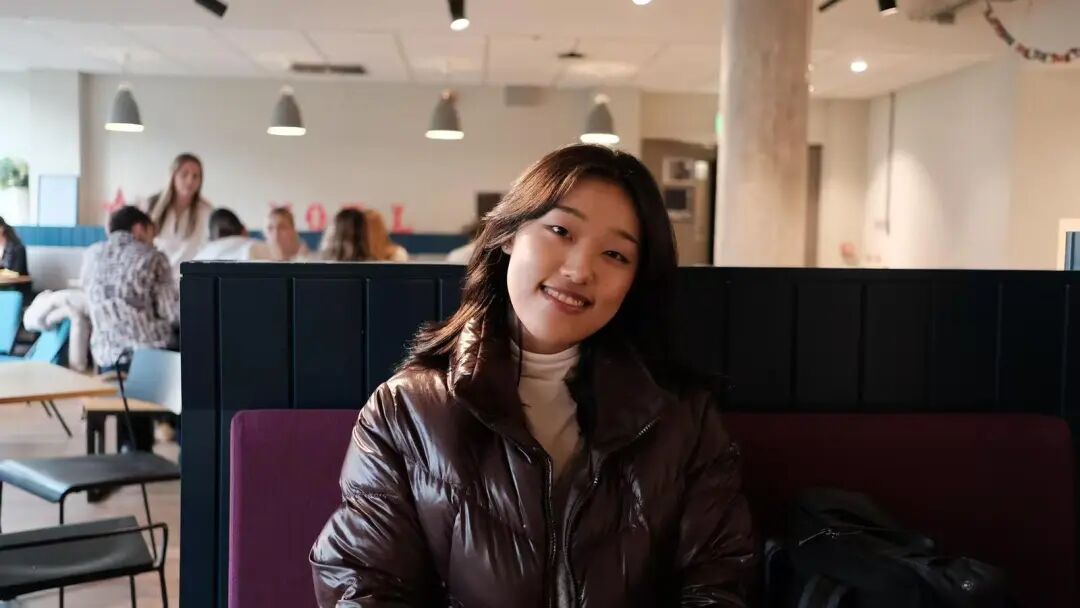
My name is Emily Yoongi Lee and I’m currently in 4th year graduating this summer from BA fashion course at Edinburgh College of Art, the University of Edinnburgh (ECA/UoE). I’m from South Korea, but I lived in Shanghai for about a decade.

Q2
Why did you decide to apply for the transfer study at ECA/UoE? What in particular attracted you to this opportunity?
The opportunity was a pull-factor from application stage for SCF. I wanted to stay in China, especially in Shanghai, to get some hands-on experience in Chinese culture and studies. On the other hand, I always had a willingness to study further away, somewhere that is more traditionally known for fashion. The opportunity was a perfect opportunity for me to experience for me to have a potential to be involved in fashion industry in Europe without sacrificing my study experience in Shanghai. Applying for exchange program was a good motive to choose Donghua University, and I’m happy that it brought me where I am.
Q3
What has been the greatest benefit of studying at SCF for two years? Was there one course that had a particularly deep impact on you?
Personally, the greatest gain I got from SCF is opportunity to meet local students. I’ve lived in China for quite a long time, but my experience was limited to international students. I could practice my language ability, and had a good chance to meet and build connection with Chinese local students during my first two years at SCF which I will not trade for any other experience I could get at other schools. I think the course that had most impact on me was ‘Design Thinking’ from Year 2 semester 2. It was special since I’m just as interested as the business entrepreneurship and innovative business ideas as design aspect of fashion. The course gave me an opportunity to explore the various possibilities outside of designing a collection that my future career path can take.

Q4
How would you describe the campus atmosphere at SCF? Have you taken part in any clubs, workshops, or exhibitions, and if so, how have they influenced you?
I really like the nature-friendly campus atmosphere at DHU has which is also shared by SCF. I enjoyed the walk from the gate to SCF buildings because many buildings on the way were beautiful, and the trees created beautiful scenery that is different every time I see them. And I did take part in various opportunities which was shared by international affair staffs, which was super helpful for me to build my portfolio.

Q5
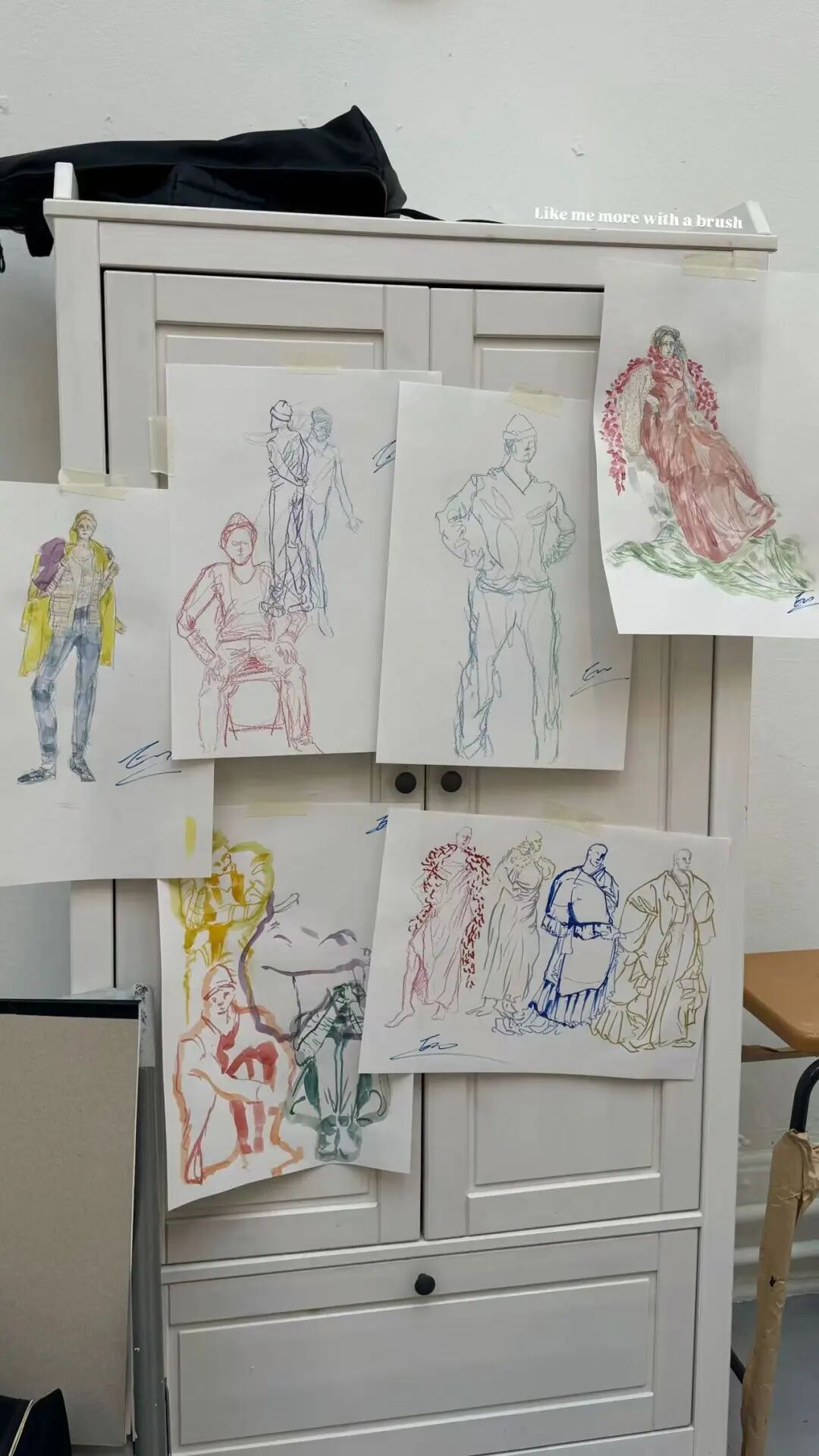
What differences have you noticed between the teaching styles and learning methods at SCF and at ECA? How did you adapt to those differences?
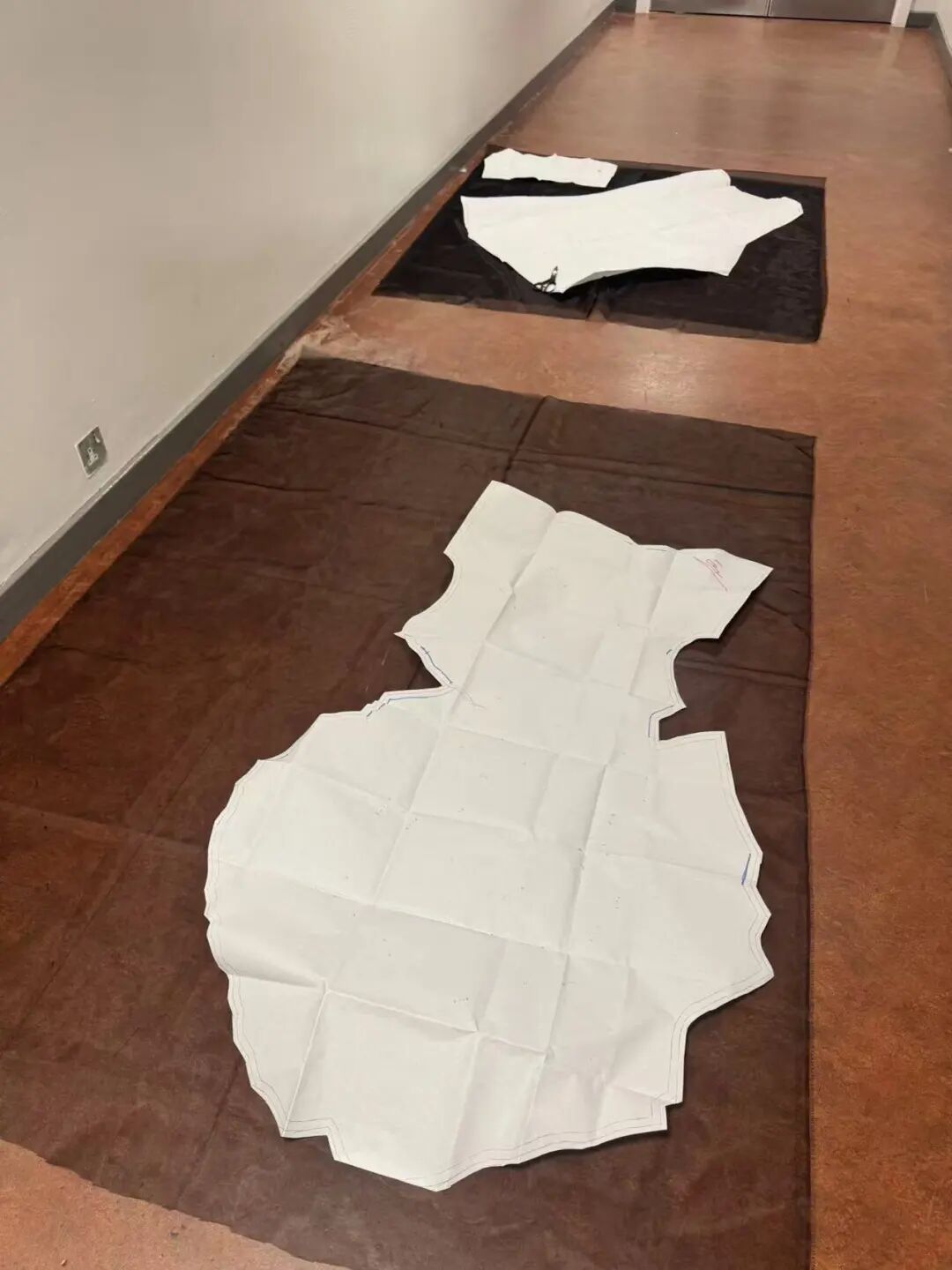
My impression of teaching between the two schools are not objective comparison because year 1 and 2 should be taught differently to year 3 and 4 – and I think the two universities did this in effective manner. However, I didn’t recognize any stark difference between the teaching styles, but I think a lot has to do with how design aspect of a project is closely related to the manufacturing aspect of the project. I found the pattern cutting and manufacturing was much closer to the design aspect at ECA. The pattern cutting tutors were more engaged in the design concept and the general direction of the collection. So, in a way, they were there to accentuate the design and realize the design intention. At SCF, the learning of pattern cutting was emphasized but as a separate course, this was impactful during the first 2 years since there were a lot to learn about pattern cutting. If I had to compare the two institutions, I would say this was the biggest difference I recognized.
Q6
Was there a project at ECA that left a strong impression on you? Could you briefly share one of your favorite works or assignments?
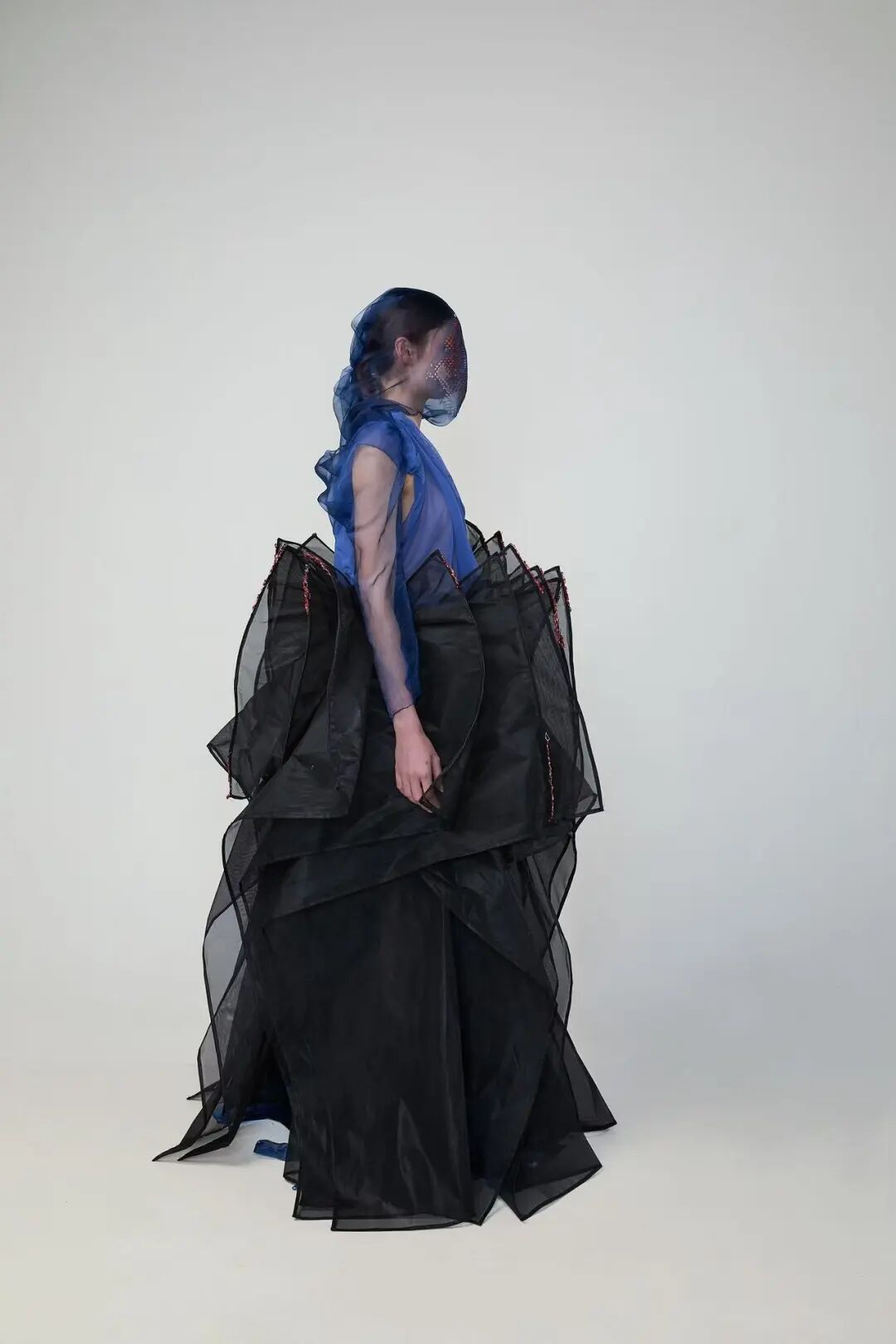
I think the first project that I did after transferring to ECA leaves the strongest impression on me. This was an industry collaboration project where we had to not only design well but also present our ideas to the people who are actually in the fashion industry. We got to collaborate with Lochcarron of Scotland (a prestigious tartarn manufacturer). Not only this was a great chance to practice effective communication of my design idea, but it was also honorable to make my design with the tartarn fabric that the manufacturer provided. My work from this project was borrowed by a member of fashion community and worn during a Scottish event after a year the project finished, so it was also a good motivation for me to believe in my design ability.
Q7
You held a student position in Edinburgh—could you tell us what your role entailed and what challenges or learnings you encountered?
I was a programme rep for fashion year 3 during year 3, and I was elected as undergraduate school rep for ECA (the whole school) during 2024-2025 academic year (my year 4). Both student position is mainly about gathering and reporting feedback from students I represent to the relevant staff members. Programme reps represent the year group of a course so I would speak to our tutors about how my classmates feel. Similarly, as school rep, I would speak to ECA principle, other higher member of staff at ECA. Not only that, I would also speak to college level staffs and central university team relating to feedback that I collected for the whole of ECA. The school rep role is central to the student voice matters at all schools, so I had the responsibility to co-chair 4 important meeting called ECA SSLC (Student-Staff-Liaison-Committee) meeting with ECA principle which gives student opportunity to speak to members of staff and receive updates about the school. School rep is ultimately the rep that serves higher level of programme reps, so I had to communicate and engage with more than 130 programme reps across ECA.
Q8
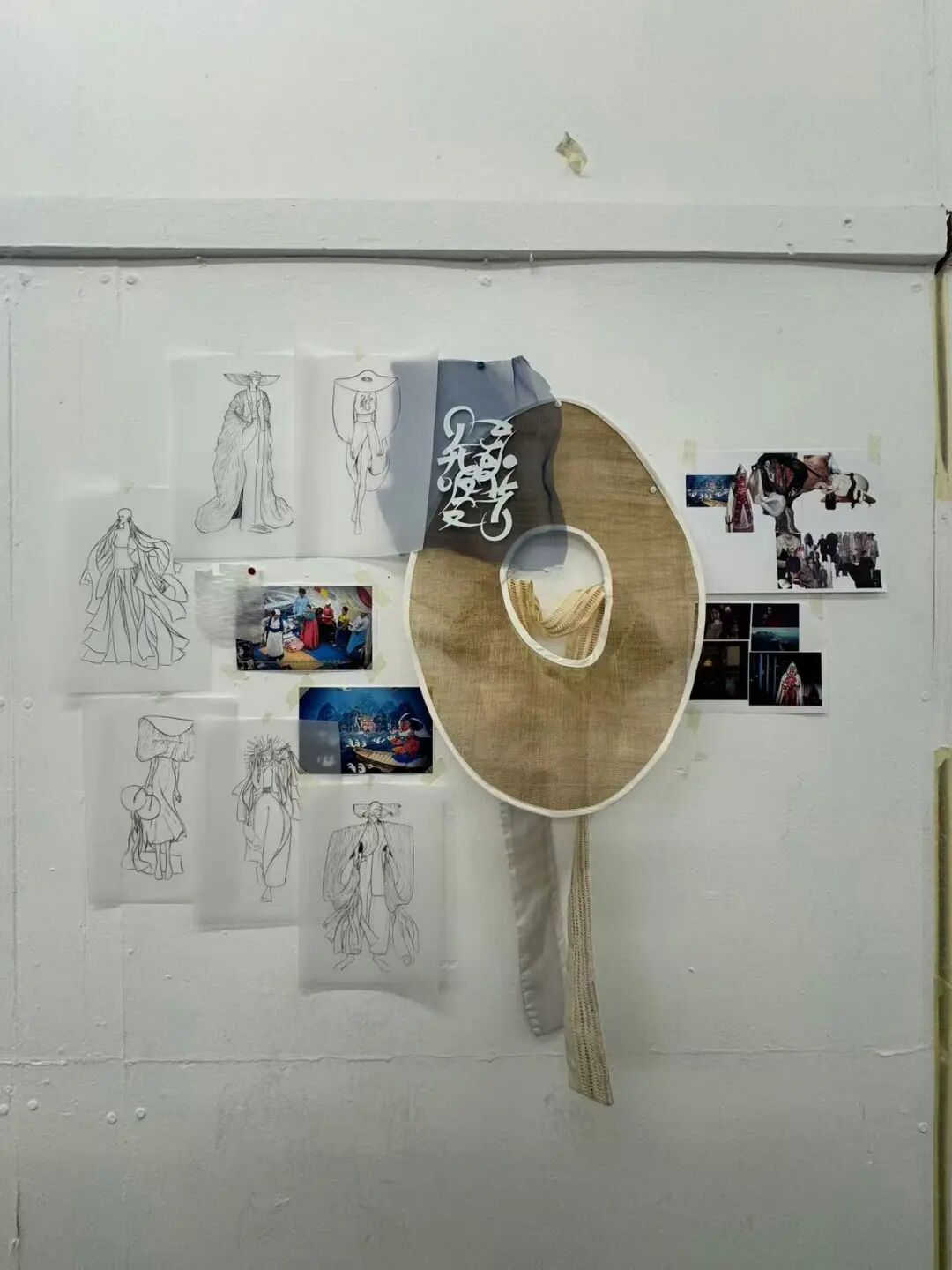
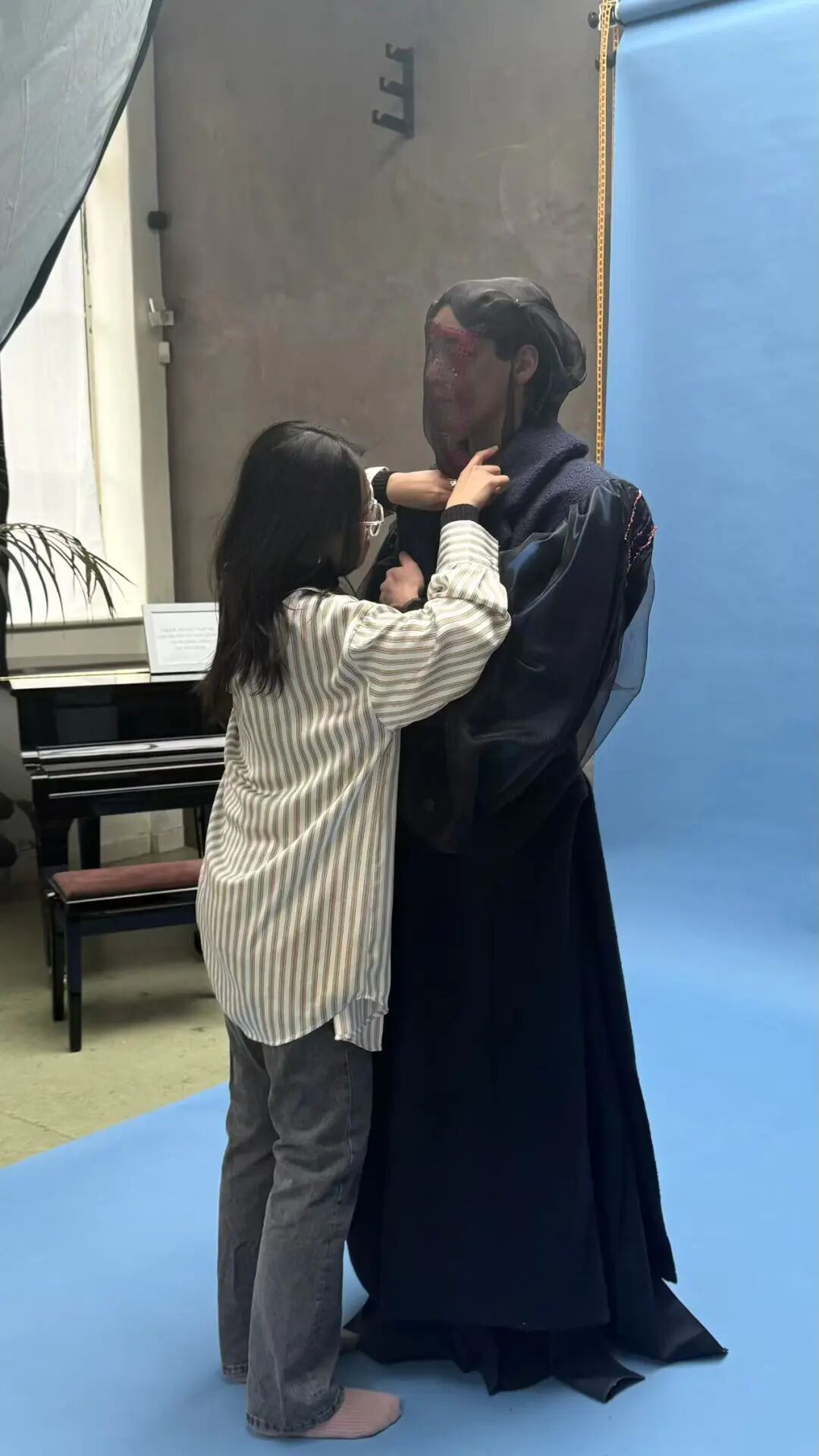
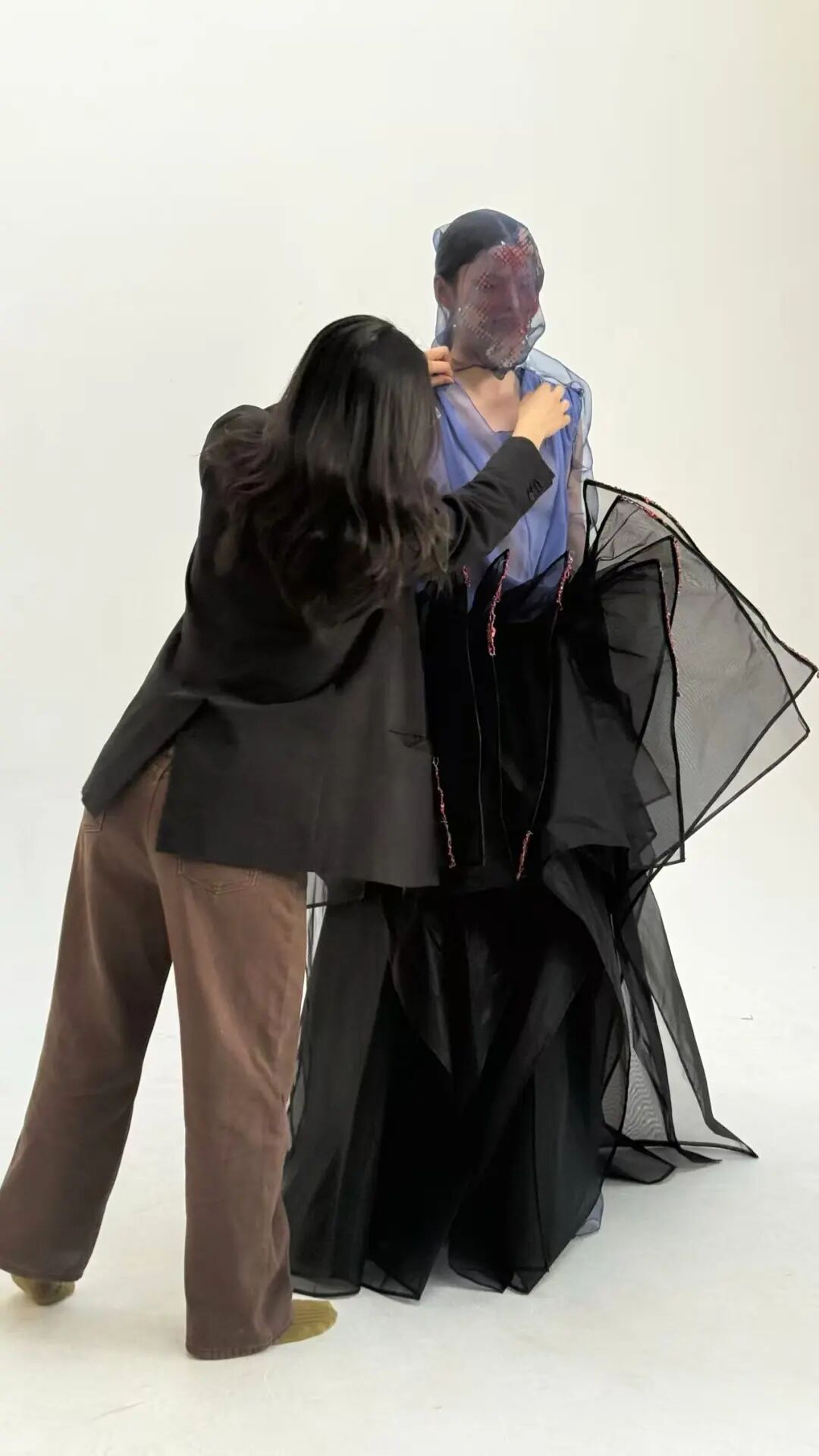
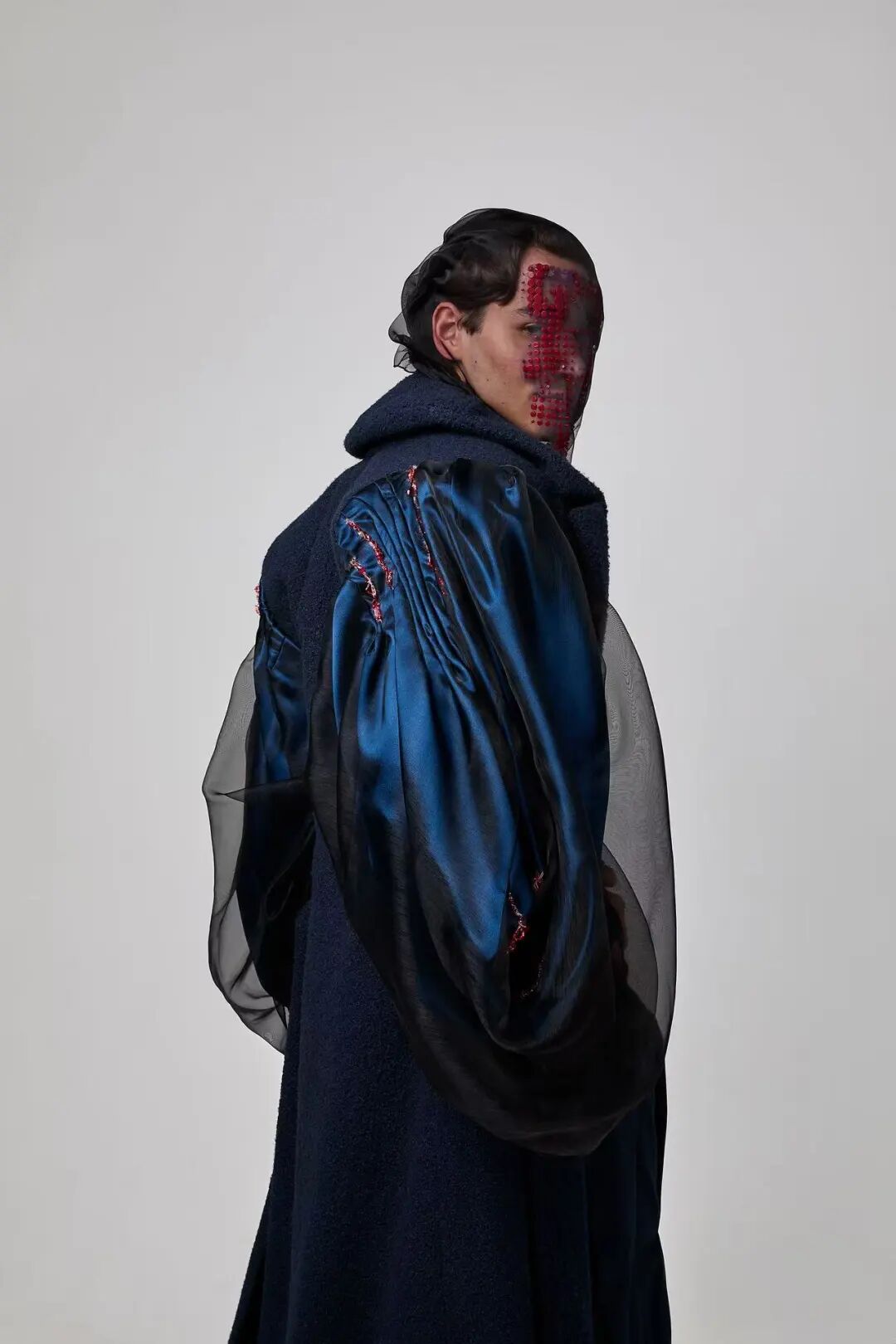
We heard you won the IFS Folklore Design Award—how did that project start, and did you incorporate elements of your own cultural background into the design?
This was an opportunity that allowed me to present my cultural background in my unique voice. I intended to stay away from a common representation of Korea that seemed to be limited with “traditional”. I focused on particular aspects of Korea that is more familiar to me and that represents a particular moment of time that Koreans experience. I’ve divided my 12 socks collection into 3 groups each representing the “traditional” ancient Korea, the time as developing nation, and the modern day Korea. I tried to capture the mood of each time rather than emphasizing the Korean-ness of the design. That allowed me to simplify and conceptualize the imageries that I want to convey which ultimately made the designs look more contemporary and wearable.
Q9
If you could choose again, would you still decide to take part in the transfer study? How has your understanding of “studying abroad” evolved?
Yes, I definitely would. The transfer study offered a chance for me to see the life of many different people. This allowed me to be more understanding and respectful for many different ways of living. I think I wouldn’t have been able to meet so many people from different countries and background and have a chance to actually communicate with them. “Studying abroad” before exchange programme meant a university degree of a prestigious institute, but now the term represents personal evolve and development of mature perspective.
Q10
During your time at ECA, did you have the chance to collaborate with classmates from different countries? How did cross-cultural exchange and diverse design thinking influence you?
We normally have our own project that each of us handle individually, so there wasn’t much chance in my major related projects. However, I had a chance to do something similar during my elective course. We gathered example of how design of various products or space reflect age. I was in a group of students from different background including Asian, Scottish and various parts of Europe. I found out that personal experience built from unique background and what we are exposed to from childhood make vast difference between interpretations on same topic.
What advice would you most like to share with students who are considering applying for an ECA transfer or pursuing an international path?
Try to get as much out of every learning opportunity as they can because nothing that we learn in year 1 and 2 is worthless in application for ECA exchange programme and the life after. I think building a good attitude of avoiding “cherry picking” during the beginner stage is crucial because we never know what experience will lead to life changing one. SCF provides various courses that has potential to lead to a pleasant surprise in the future, so to work hard and be dedicated in what they do would be the right mind set to enter the so called “bigger international world”.
Thank Emily for sharing her experiences and insights!
After reading this,do you have new ideas about your future?
上海市延安西路1882号
© 2019 东华大学上海国际时尚创意学院 版权所有