
| Unending & Everlasting — Boundless Design, Cross-Border Collaboration, Co-Building a Sustainable Fashion Future |
|
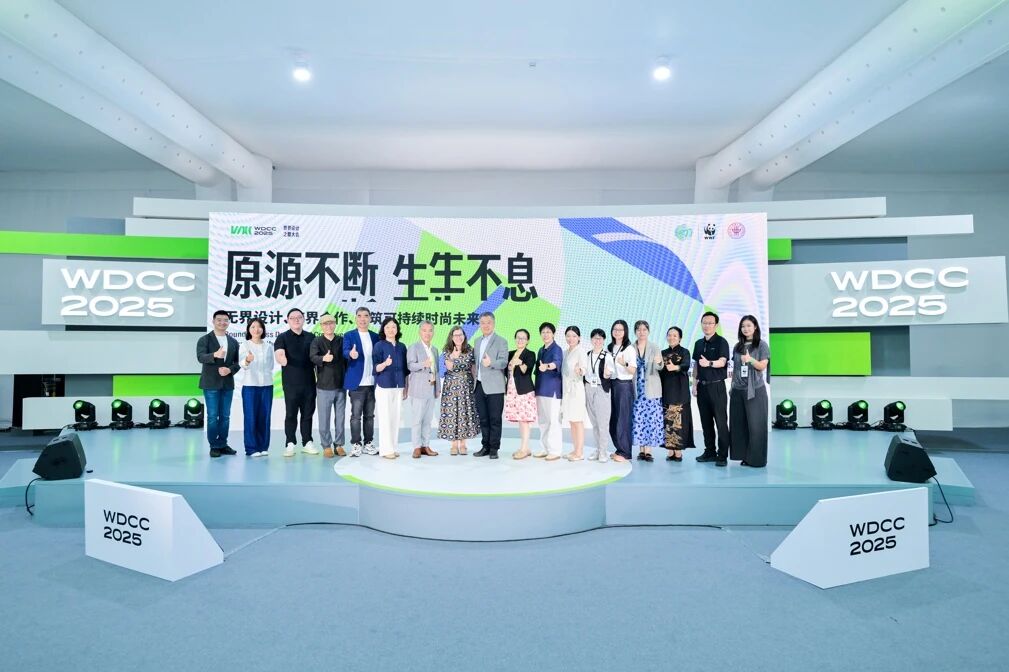
On September 26, 2025, as a key part of the 2025 World Design Cities Conference (WDCC), the Sustainable Fashion Sub-forum themed “Endless Vitality, Continuous Growth — Boundless Design, Cross-Border Collaboration for a Sustainable Fashion Future” was successfully held in Shanghai. Representatives from government, industry associations, academic institutions, international organizations and fashion enterprises gathered to discuss how to drive the green transformation and sustainable development of the fashion industry through boundless design and cross-border collaboration.
The forum was co-hosted by the China National Textile and Apparel Council (CNTAC) and the World Wide Fund for Nature (WWF) China (Switzerland) Beijing Office. It was organized by the Shanghai International College of Fashion and Creative Innovation (SCF), Donghua University and the One Planet Foundation (OPF). Supported by the China Silk Association, the Shanghai Energy Conservation and Emission Reduction Center and Fashion Creation.
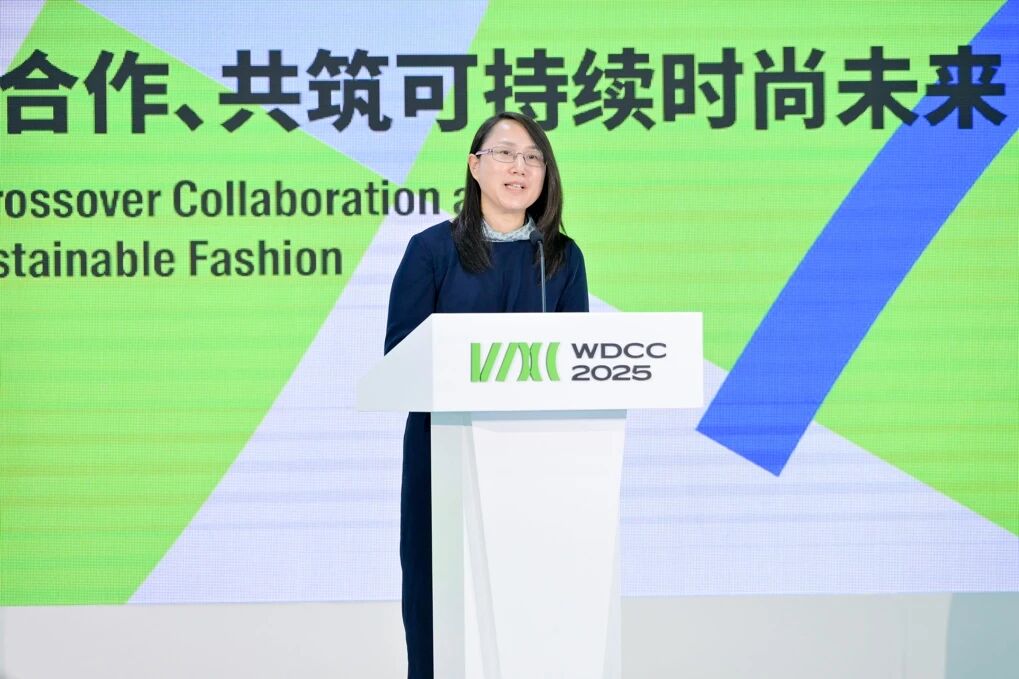
Liu Boying, Level II Inspector of the Shanghai Municipal Commission of Economy and Informatization and Deputy Director of the Shanghai Municipal Cultural and Creative Industry Office, stated in his speech that global climate change and consumption transformation are forcing the green upgrading of the entire fashion industry chain. As an International City of Design, Shanghai will continue to promote green low-carbon development, circular innovation and technology empowerment, and build a circular ecosystem led by design, empowered by industry and driven by consumption. Wang Zhidong, Deputy Secretary of the Party Committee of Donghua University, emphasized that design innovation is the source and core driving force of sustainable fashion. Donghua University will always commit itself to leading the systematic green transformation of the fashion industry through cutting-edge scientific research, top talent cultivation and in-depth cross-border collaboration. The university will empower a green future with science and technology, nurture sustainable forces through education, and make positive contributions to China’s socialist ecological civilization construction.
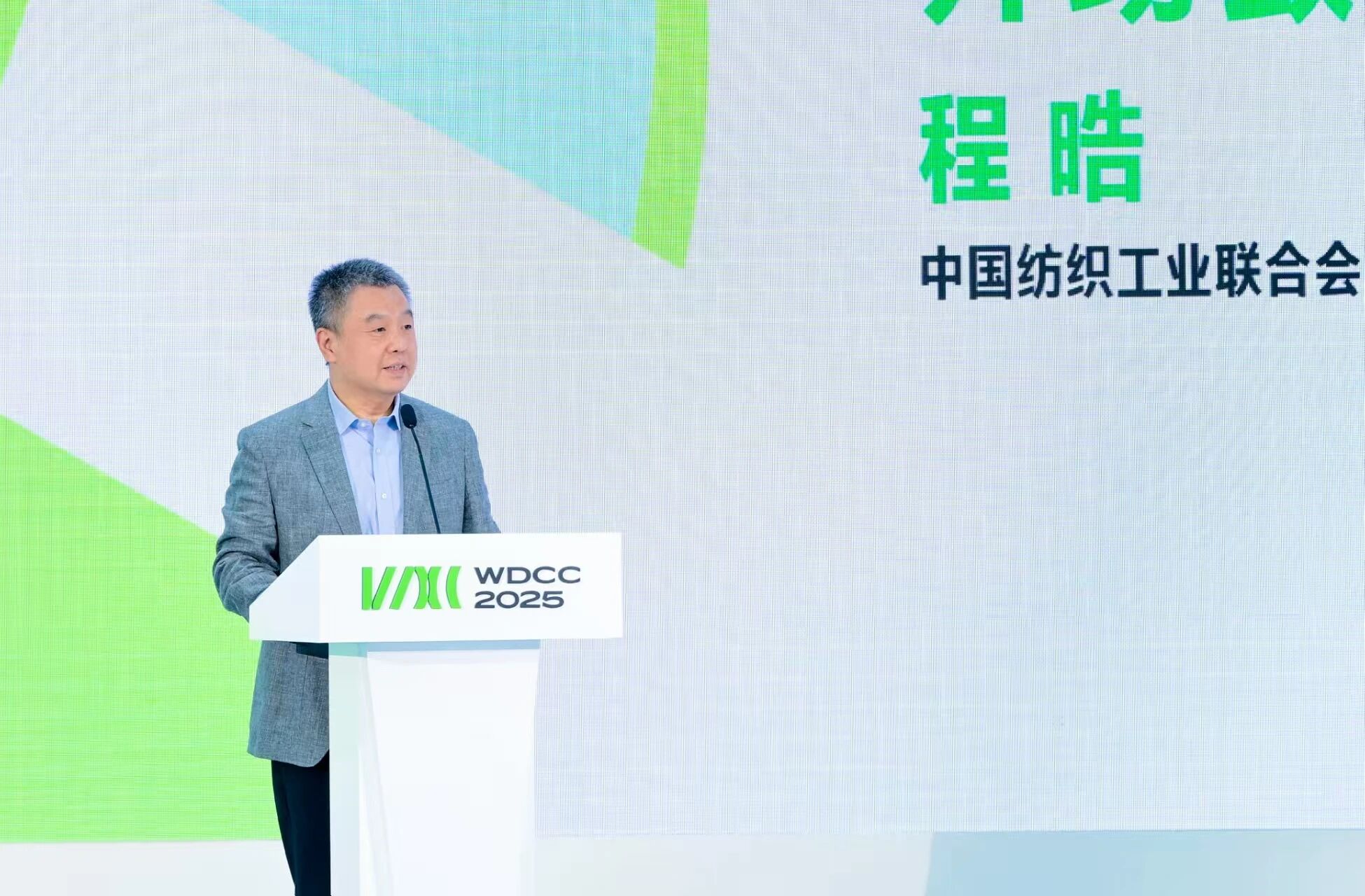
(Wang Zhidong, Deputy Party Secretary of Donghua University) Cheng Hao, Deputy Director of the Industry Department of the China National Textile and Apparel Council, emphasized that China’s textile industry is accelerating the development of new quality productivity characterized by technology, fashion, green and health, driving a sustainable leap from end-of-pipe treatment to whole-chain optimization.
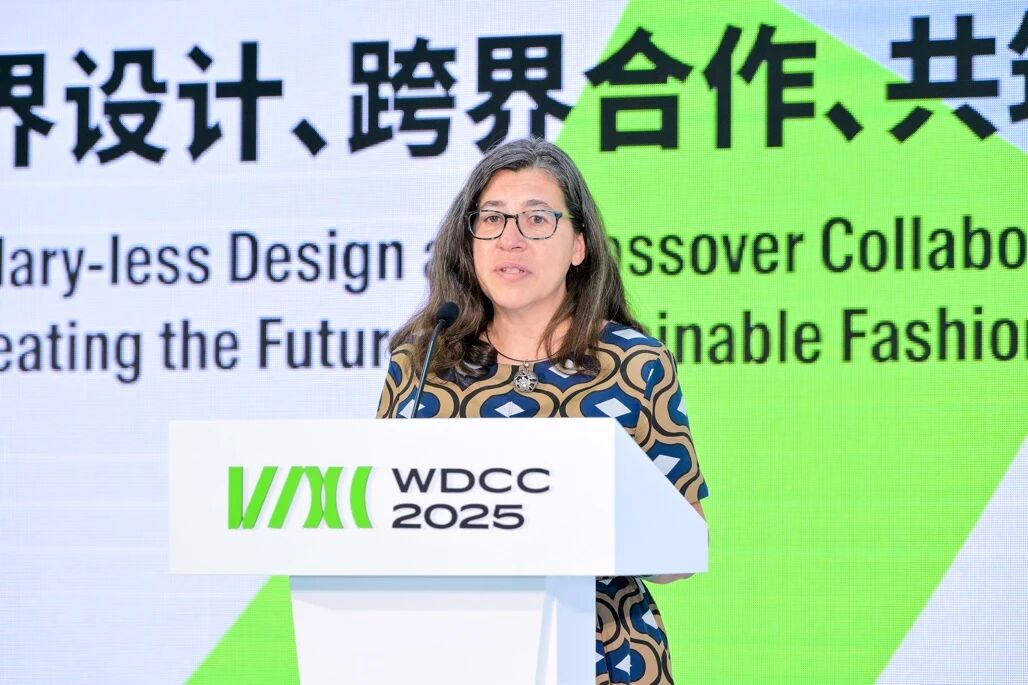
(Cheng Hao,Deputy Director of the Industry Department, China National Textile and Apparel Council) Marialivia Iotti, Chief Advisor for Asia Programmes at WWF UK, stated in her address that while addressing the climate crisis, the fashion industry must also confront nature loss.Designers and supply chains should embed sustainability principles at the source and work together to build a transparent and traceable value chain.
(Marialivia Iotti,Chief Advisor for Asia Programmes, WWF UK) In the keynote speech session, guests shared insights on policy trends, industry exploration, design innovation, material development and urban collaboration.
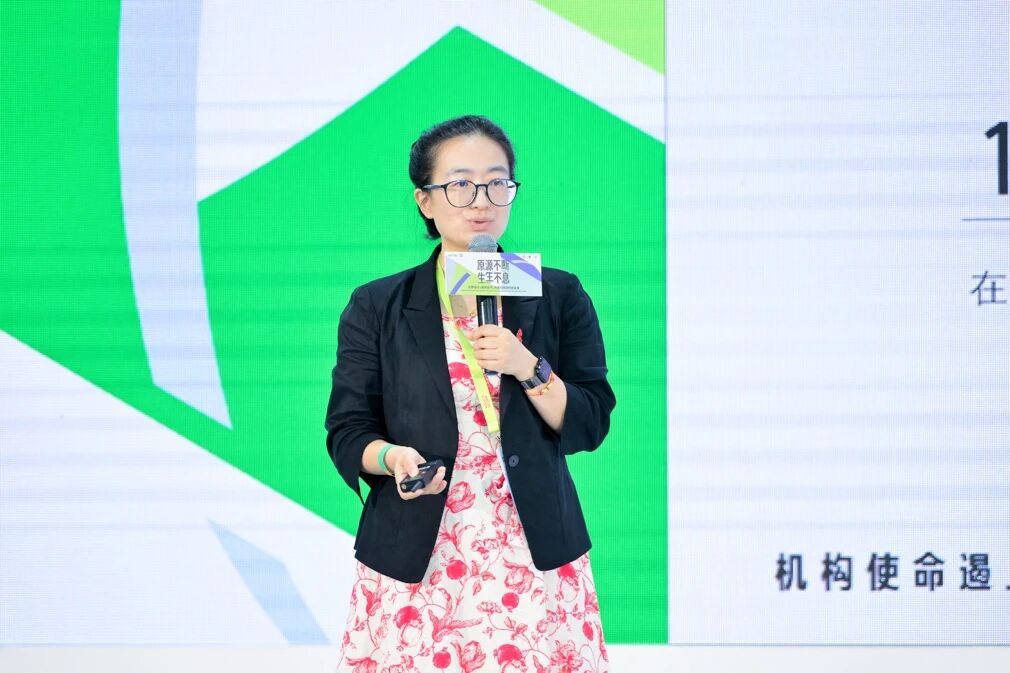
Wang Qian, Shanghai Regional Project Director of WWF China Beijing Office, analyzed the impact of global sustainable development policies – including EU policy frameworks and voluntary business actions – on the fashion value chain.She called for attention to climate change and the interaction between nature and people, especially in nature-related stages such as raw materials, finishing, care and post-consumer recycling.She urged the industry to move beyond carbon reduction to also prioritize biodiversity protection, jointly mitigate risks and pursue regenerative opportunities.
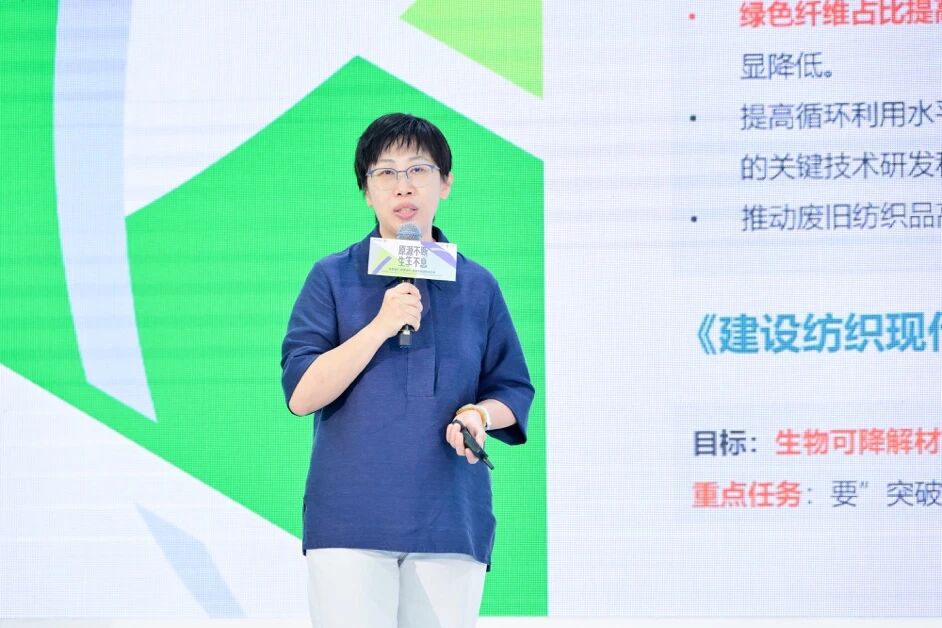
(Wang Qian,Shanghai Regional Project Director, WWF China Beijing Office) Wang Lin, Director of the Resource Circulation Program, Industry Department, China National Textile and Apparel Council, introduced the latest practices and achievements of China’s textile industry in green fibers, circular systems and the Dual Carbon goals.She shared cases of recycling hotel linens, waste fishing nets and other materials, demonstrating replicable pathways for industrialization.
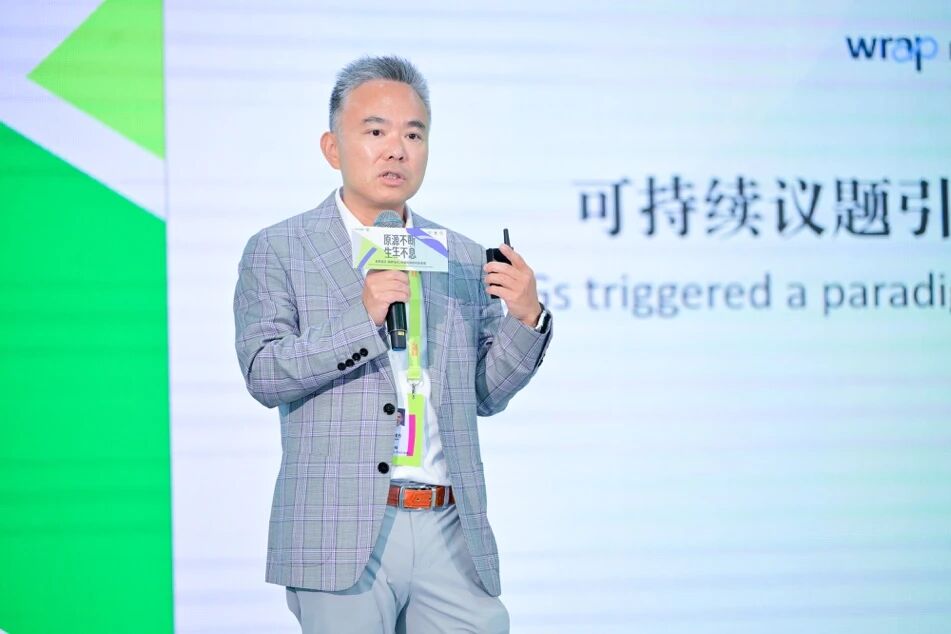
(Wang Lin,Director of Resource Circulation Program, Industry Department, China National Textile and Apparel Council) Li Jun, Dean of the Shanghai International College of Fashion and Innovation (SCF), Donghua University, discussed pathways to empower the industry from circular design to recycled fibers.He emphasized that the design stage determines most of a product’s environmental impact.Sustainable design should take “begin with the end in mind” circular thinking as its core.Through university-industry collaboration, garment upcycling, and repair services, consumers can participate in the circular economy through their choices.
(Li Jun,Dean of the Shanghai International College of Fashion and Innovation (SCF), Donghua University) Zhang Xu, Senior Consultant of the Shanghai Center at Consinee Group, shared the exploration of the whole-industry-chain value of natural new materials such as kapok fiber, providing green solutions at the material level.
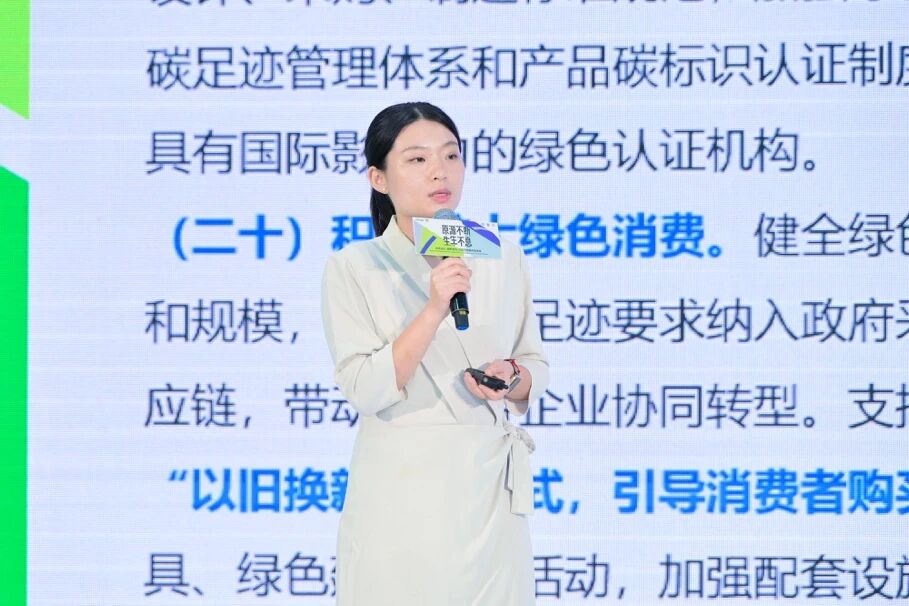
(Zhang Xu,Senior Consultant, Shanghai Center, Consinee Group) Chen Shuyi, Senior Project Manager of Shanghai Energy Conservation and Emission Reduction Center, pointed out from an urban perspective that the recycling system at the consumption end is a key part of fashion circularity.Shanghai is exploring a clothes-to-clothes circular model through initiatives such as old-for-new clothing programs and community recycling pilots, promoting linkage between consumption and industry.
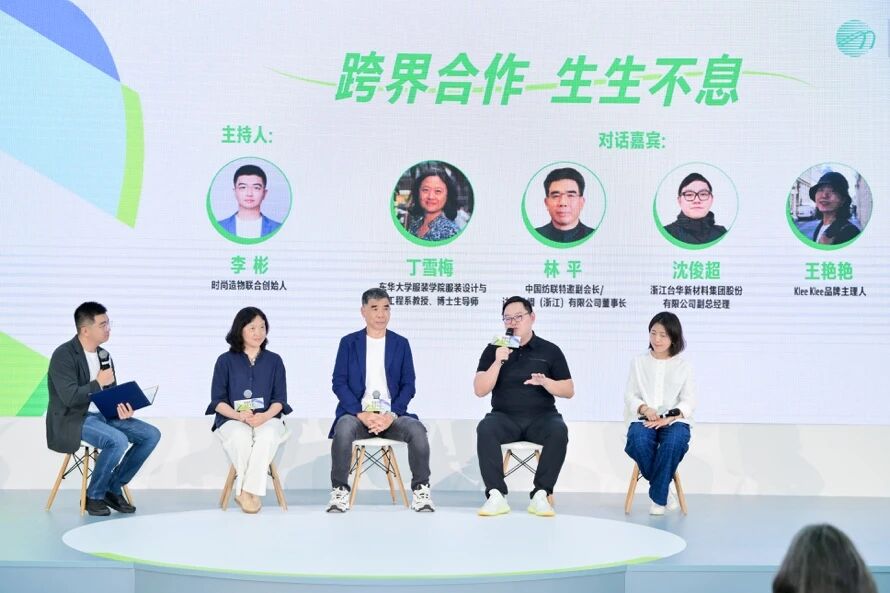
(Chen Shuyi,Senior Project Manager, Shanghai Energy Conservation and Emission Reduction Center) In the round-table session “Cross-Border Collaboration, Endless Vitality”,Xuemei Ding, Professor and PhD Supervisor at the College of Fashion & Design, Donghua University;Ping Lin, Chairman of Dali Silk (Zhejiang) Co., Ltd.;Junchao Shen, Deputy General Manager of Zhejiang Taihua New Materials Group Co., Ltd.;Yanyan Wang, Brand Director of Klee Klee;and Bin Li, Co-founder of Fashion Creation,held an in-depth discussion on the synergy between design and materials, whole-industry solutions for systematic design, and the role of consumers in the sustainable value chain.
The panelists agreed that boundless design means collaborative innovation across disciplines, industries, and groups.Against the backdrop of new quality productivity, sustainable fashion is not only an upgrade in technology or design concepts, but a systematic project requiring collaboration across the entire industrial chain and active participation from consumers.
Through in-depth discussions at the forum, the guests reached a consensus:the future of sustainable fashion is not only innovation in design and materials, but a systemic transformation spanning the industrial chain, consumption, and urban governance.Policy direction, corporate green practices, and joint efforts by designers and consumers all echo the theme “Endless Vitality, Continuous Growth”.
As a City of Design, Shanghai is not only an important window for global fashion consumption, but also a frontier for industrial collaboration and design innovation.Leveraging the manufacturing and innovation strengths of the Yangtze River Delta, Shanghai is exploring a design-driven, industry-empowered, consumption-linked, and city-coordinated model to build internationally influential sustainable fashion solutions. |


CONTACTS | RECRUITMENT | Q&A | Online Course Platform
Copyright 2019 Donghua University
Donghua University, Shanghai International College of Fashion and Innovation
Address: : No.1882, West Yan’an Road, Changning District, Shanghai, 200051