
| Lecture Review | Starting from "Who Am I", Creating the Future with Design |
|
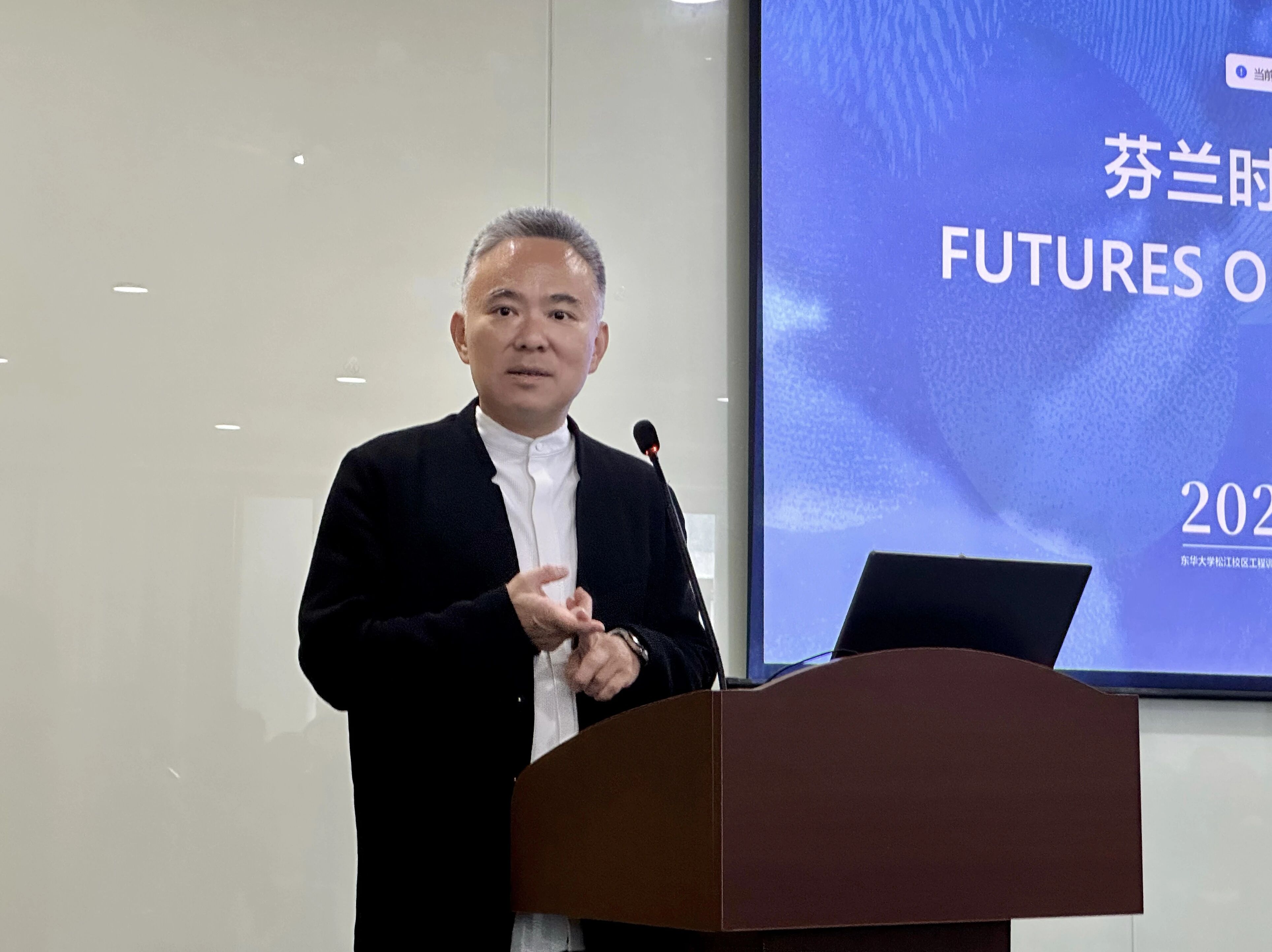
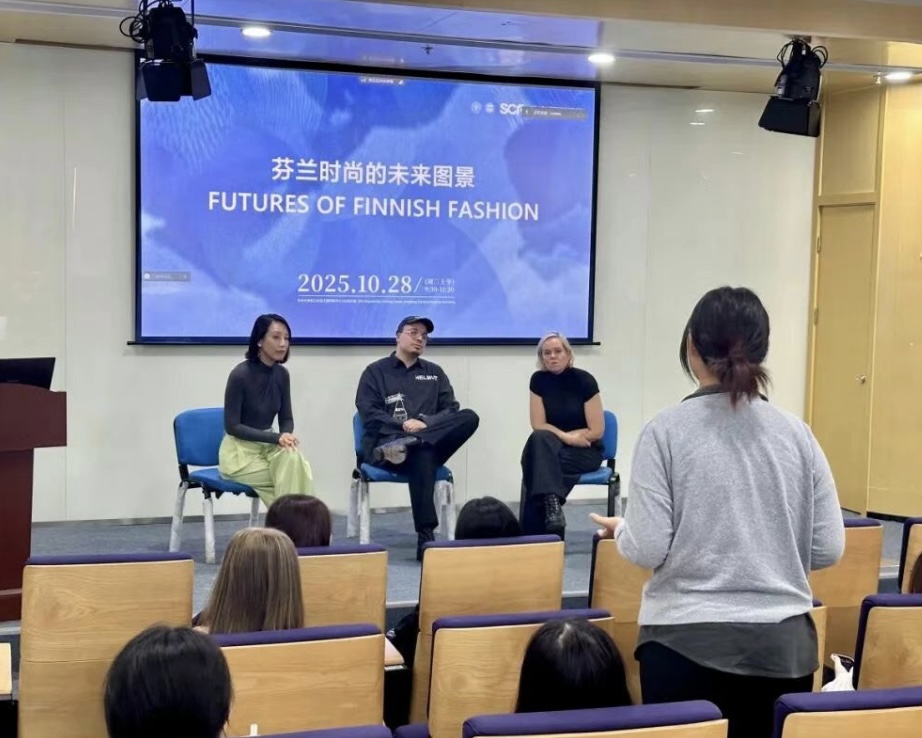
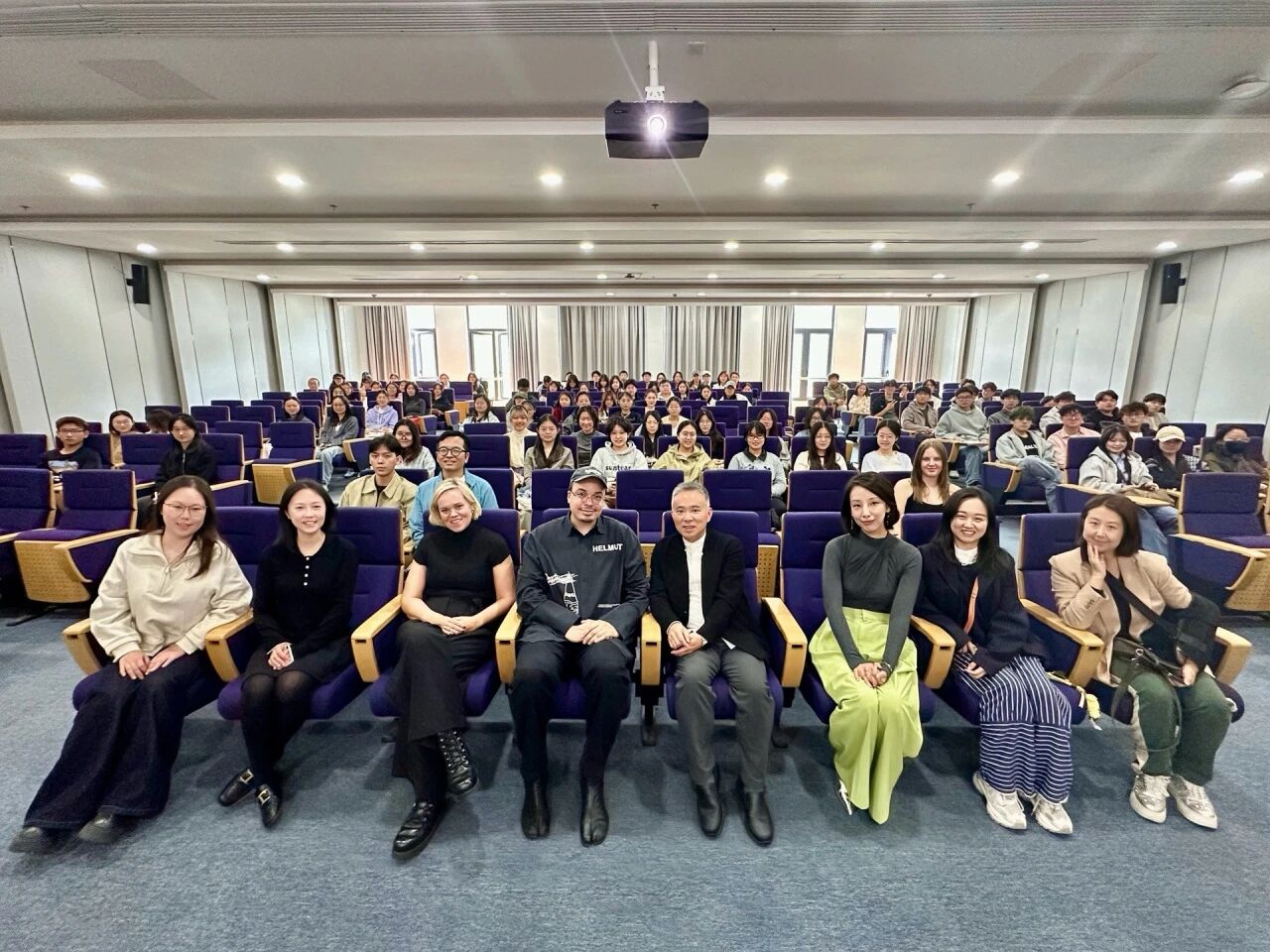
Recently, an in-depth lecture on The Future Vision of Finnish Fashion was held at our university. We were honored to invite Ms. Martta Walker, Founder of Fashion in Helsinki, and Mr. Ervin Latimer, Professor of Fashion Practice at Aalto University, with Dean Li Jun delivering the opening speech.
This was not only a sharing session on trends, but also an in-depth inspiration on the essence of design. Starting from Finland’s unique history and culture, the two guests revealed how designers should find their own positioning now and in the future, as well as the true power of design in our hands.
At the beginning of the lecture, Dean Li Jun introduced the core concept of design thinking to everyone. He pointed out that design thinking is far more than designing a physical object; it is also an innovative methodology. In the current era, whether facing artificial intelligence or business challenges, design thinking can help us broaden our horizons and find brand-new solutions.
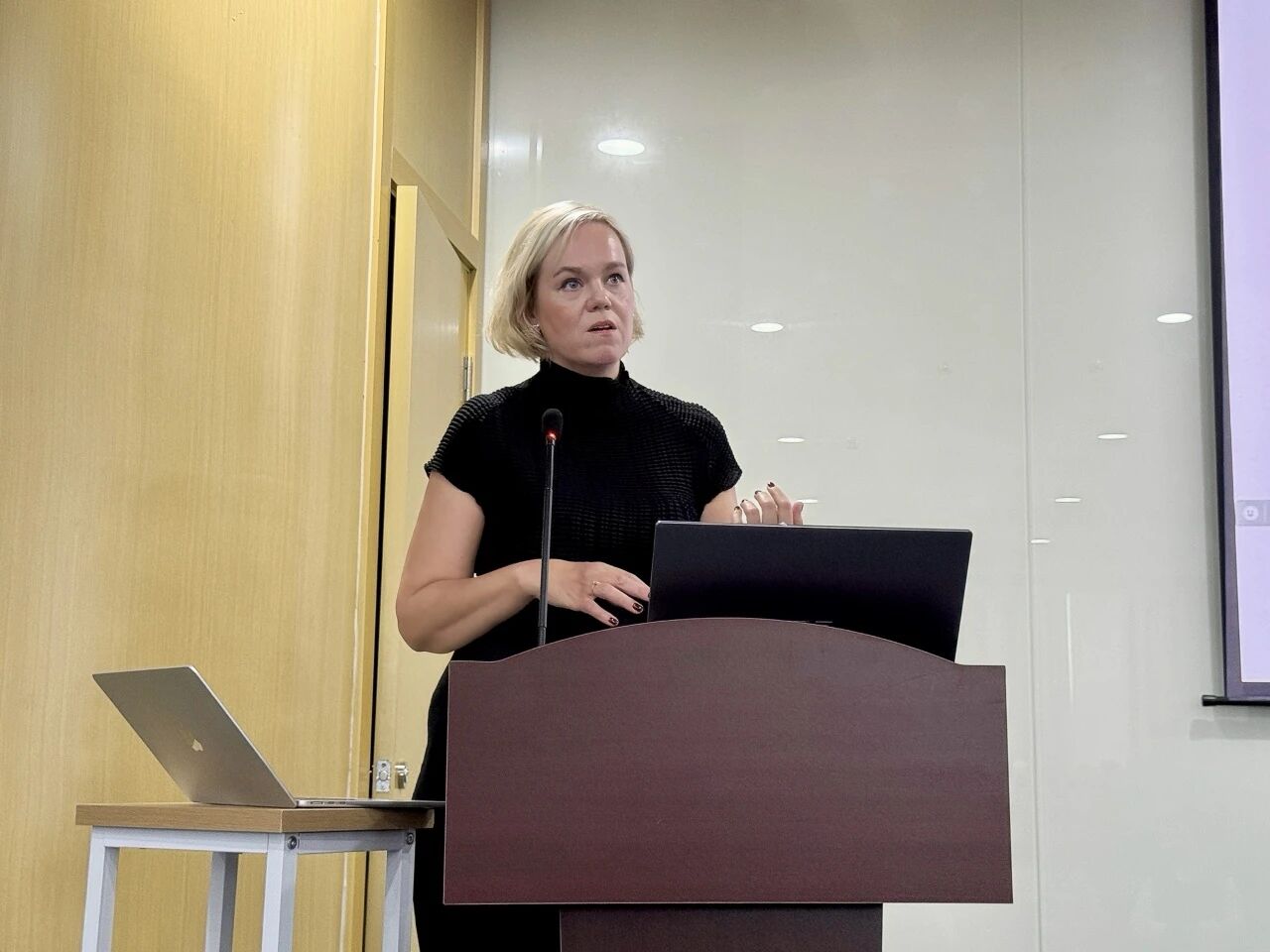
(Dean Li Jun Delivers the pening speech) Ms. Martta Walker then painted a comprehensive picture of Finnish fashion with her rich industry experience. She emphasized that we cannot talk about the future without looking back at the past. The foundation of Finnish fashion is deeply rooted in its unique culture and climate. Martta mentioned that Finland was an agricultural country with scarce resources after the war, lacking abundant natural resources and having only forests and lakes. This scarcity instead inspired Finns’ creativity, and their only solution was to use our brains. This has shaped the core mindset of Finnish design: create the greatest value with the least materials.
(Ms. Martta Walker Delivers Her Speech) The foundation of Finnish fashion is deeply rooted in its unique culture and climate.Martta noted that Finland was an agricultural country with scarce resources after World War II.With limited natural resources, it had only “forests and lakes”.Such scarcity, in turn, inspired Finnish creativity.Their only solution was to “use our brains”.This has shaped the core philosophy of Finnish design:to create the greatest value with the least materials.
This mindset also fostered strong practical skills and craftsmanship among Finns.Knitting, weaving, and woodworking are even part of the national curriculum.This naturally leads to sustainability—a value that has long been deeply embedded in Finnish culture.
Martta pointed out that sustainability does not always require inventing new things — we can also look back into history.Finnish fashion brand VAIN collaborated with McDonald’s to upcycle old work uniforms into a brand-new collection.The designer behind “by Hinders” returned to her mother’s farm and used wool from an ancient Finnish sheep breed to create garments, reviving forgotten traditional crafts.Martta reminded us: “We have simply forgotten those old, sustainable ways.”
So in the AI era, what is the core value of designers?Martta’s answer is: yourself.AI is only a tool; it can never replace you.AI will never know your family history, your cultural background, or the thoughts of your friends.Nor can it truly understand a garment’s 3D structure or “comfort.”“Use your own history and experience, and translate them into clothing.”She specially noted:“China has an amazing long history — it is an endless source of inspiration for students.”
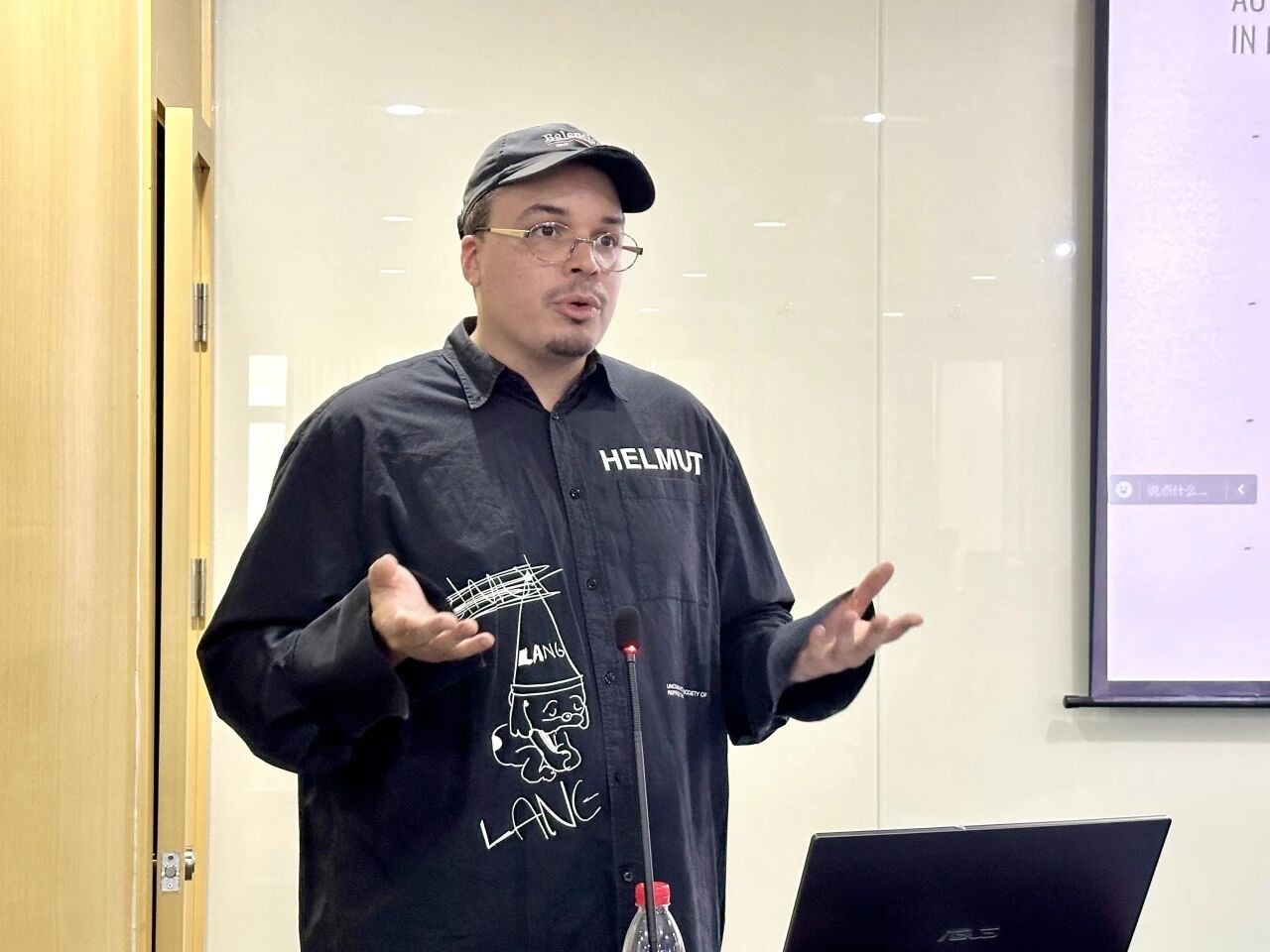
Mr. Ervin Latimer, Professor at Aalto University, delivered a sharing that felt like an honest personal journey, perfectly embodying the idea of “designing with your own story”.As a Finnish–African American, his work has always centered on social sustainability and his unique cultural identity.
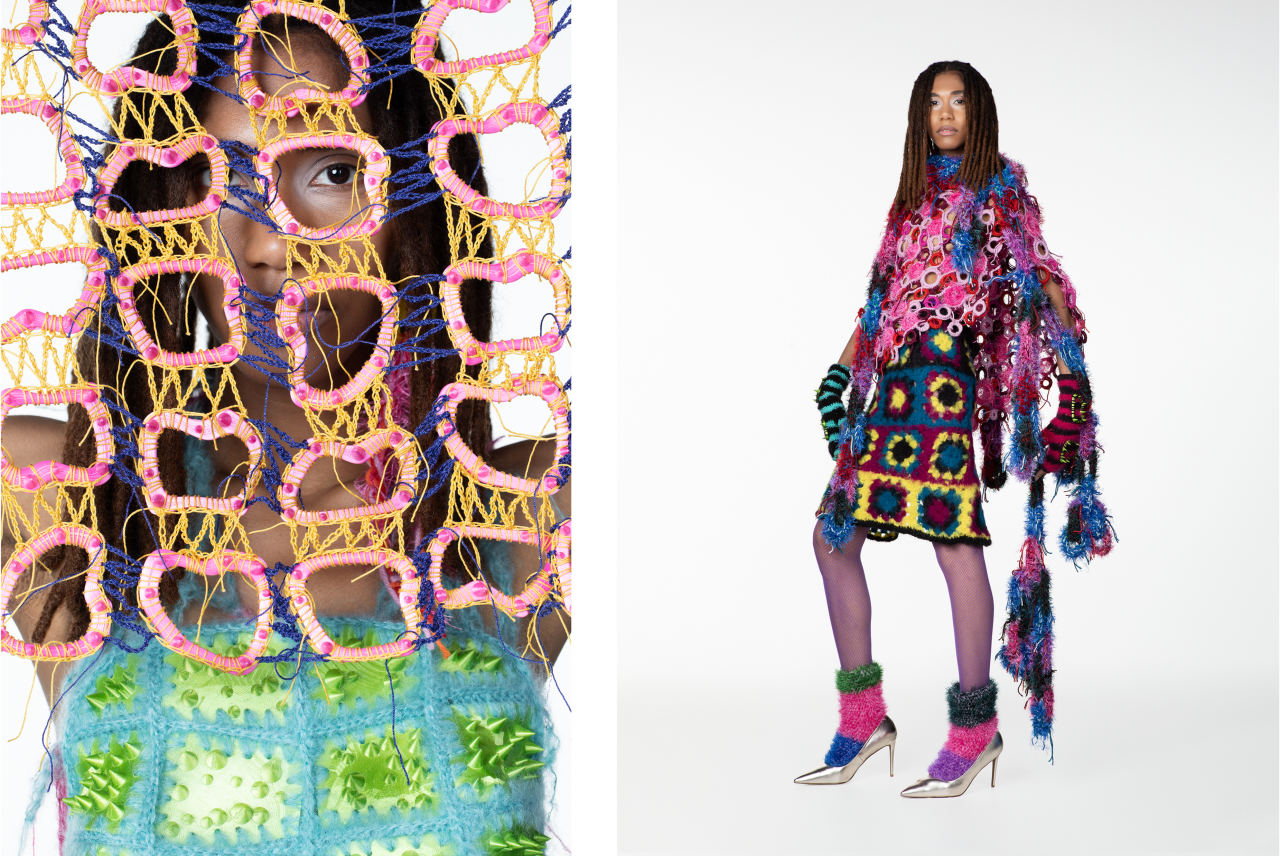
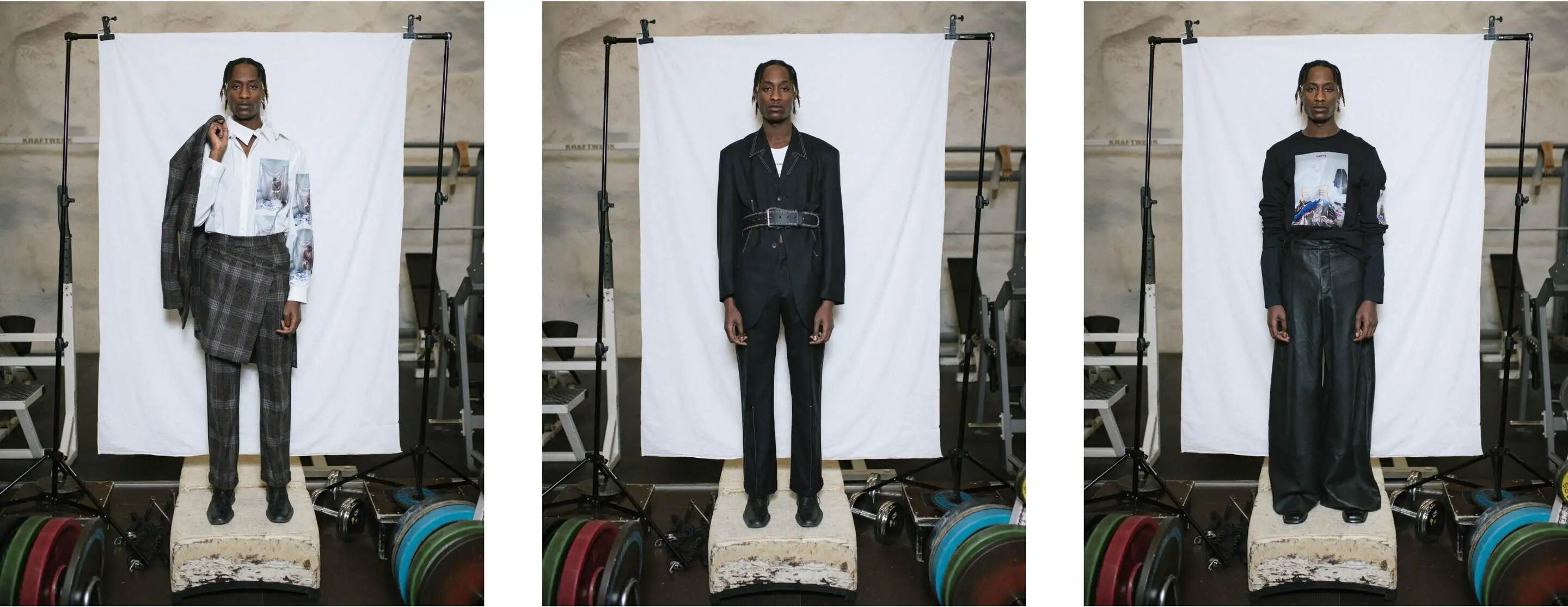
Ervin believes that design is a tool for asking questions.In one of his iconic works, he deliberately chose the “most stereotypical” Finnish forest setting, but cast “everyday people living in Helsinki” as models — individuals who do not fit the traditional idea of a “Nordic face.”Through this, he posed a critical question:Is this what we usually imagine “Finnish fashion” to look like?What does Nordicness really mean?
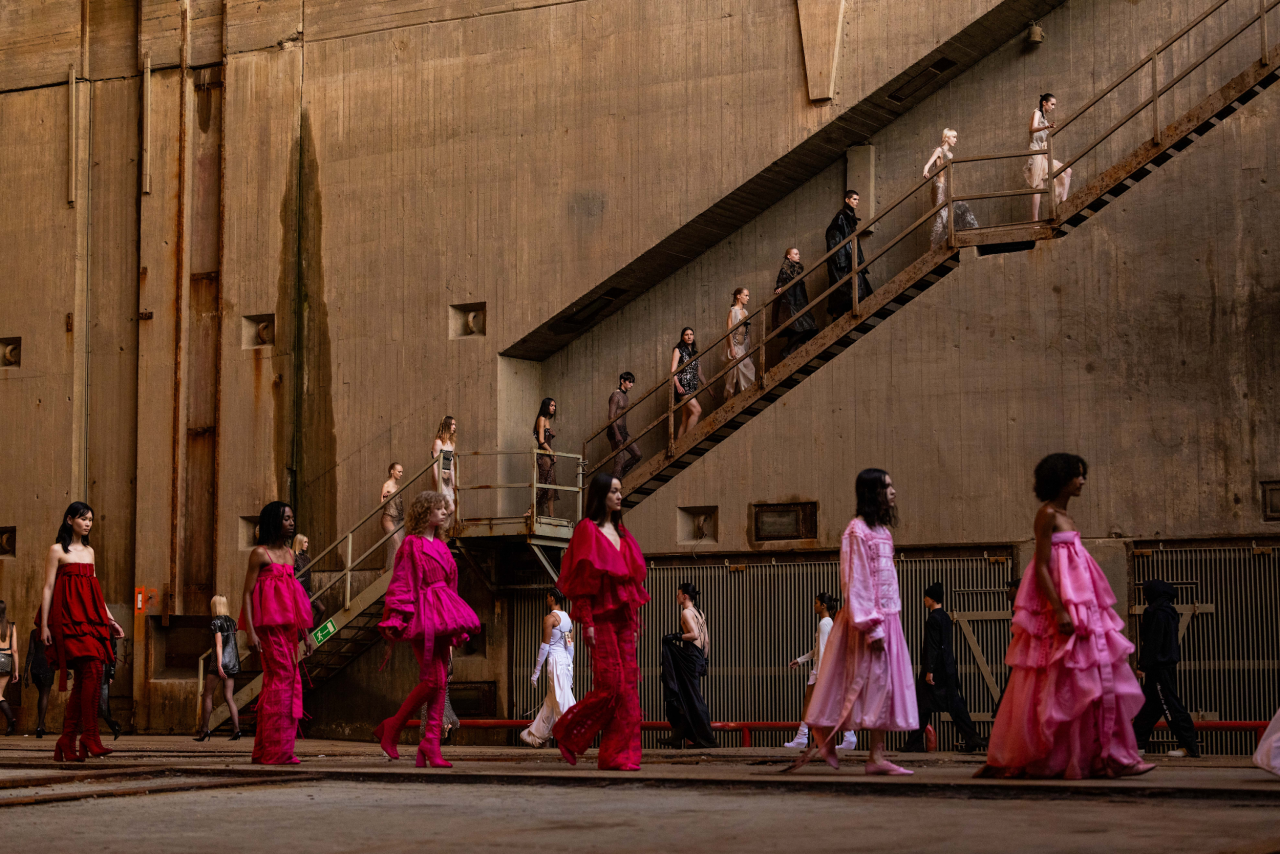
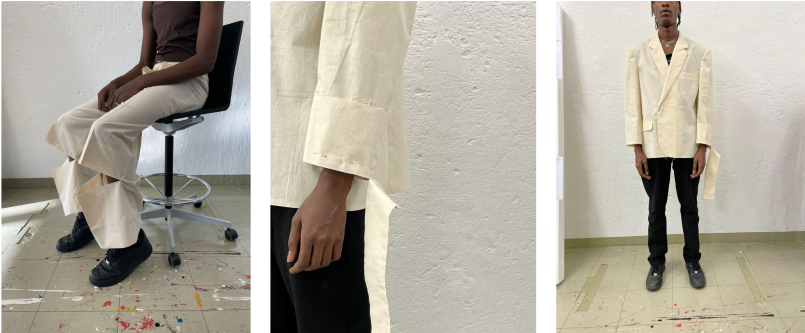
(Mr. Ervin Latimer Delivers His Speech) He shared openly that during a period when he felt exhausted and uninspired, he collaborated with artist Sasha Hooper, drawing on her approach of listening to music and painting intuitively.Ervin did not draw sketches.Instead, he played the same playlist and intuitively draped fabrics on a mannequin.This collection, full of genuine emotional connection,was eventually featured on Vogue Runway.
From staging a “Ballroom” performance at Pitti Uomo in Florence, to having his works collected by The Met (New York’s Metropolitan Museum of Art), Ervin’s designs have consistently challenged conventions.He concluded:Fashion is not only a mirror of reality — it is about creating a new reality.As designers, you are shaping how we see the world and how we see ourselves.This is an incredible power, and a responsibility.
How to balance sustainability and brand operations? Ervin said that sustainability is not an add-on option — it must be a standard that happens automatically. For young designers, it should be the cornerstone of your practice, and what truly makes you stand out is your personal perspective and story.
How to balance design creativity and commercial implementation? Martta said that you need to think like a buyer. Imagine your brand in a store — who would its neighbors be? This helps you position your brand accurately. Ervin added that you should focus on a core product category. For example, LATIMIA is very dedicated to shirts, refining and perfecting them to the utmost.
What can engineering students do to enter the fashion industry?Ervin’s answer: Collaboration! Collaboration!With your engineering knowledge, partner with a designer who understands fashion.Don’t try to do everything alone.Many successful brand founders actually come from business, marketing, and other fields.
How can technology and fashion integrate better?Martta & Ervin agreed:Technology needs design, and design makes technology usable and desirable.For example, Nokia had top-tier engineering,but Apple (using Nokia’s technology) won the market with outstanding design and user experience.
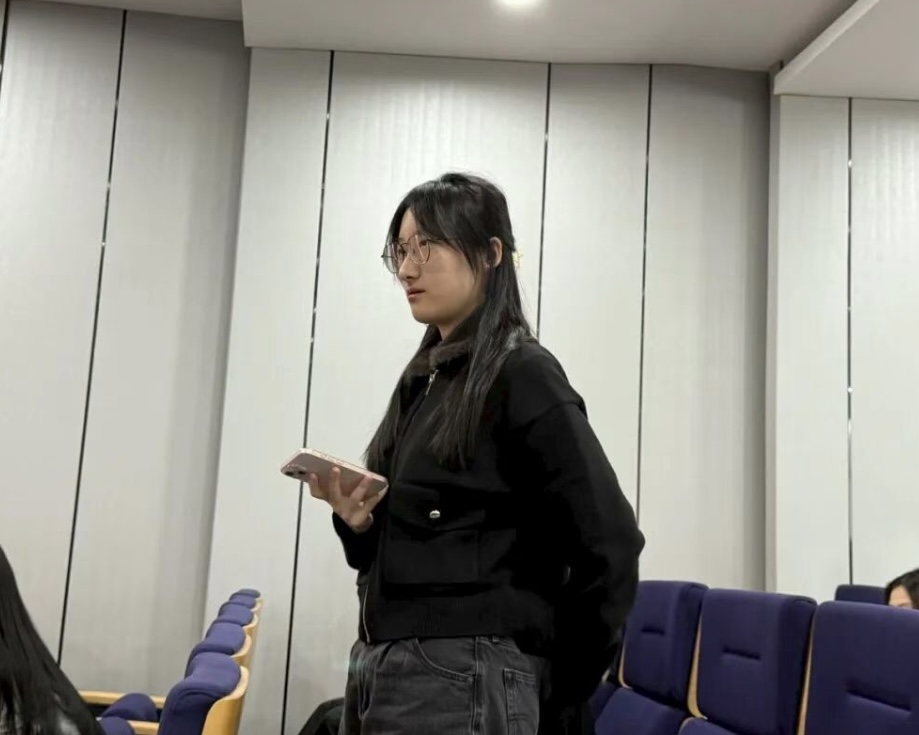
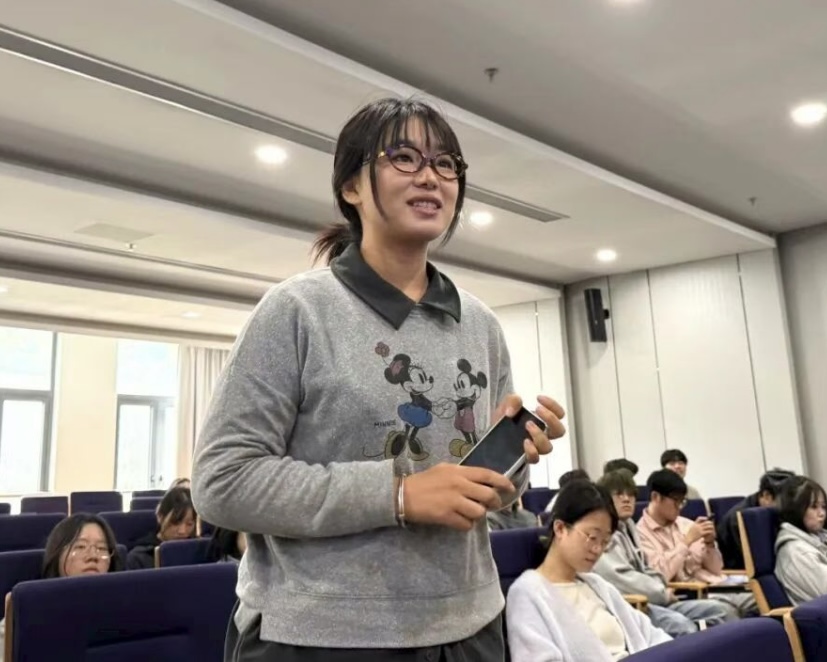
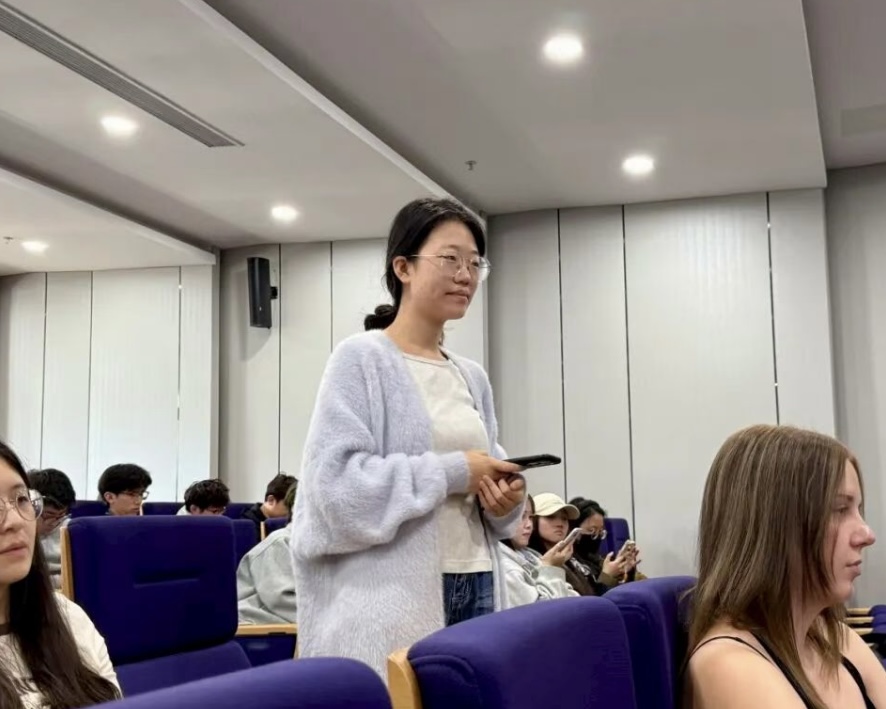
The two speakers shared with us from their real-life experiences:Design begins with the constant exploration of “Who am I”.In an age of information overload, our most precious resourceis our own experience, culture, and unique perspective.Your design is your answer. |
CONTACTS | RECRUITMENT | Q&A | Online Course Platform
Copyright 2019 Donghua University
Donghua University, Shanghai International College of Fashion and Innovation
Address: : No.1882, West Yan’an Road, Changning District, Shanghai, 200051