| SCF Lecture Preview | Subverting Perception: Is AI a Tool or a Creator? |
|
When the technological wave of generative AI collides with design inspiration and traditional cultural heritage, what innovative sparks will fly?
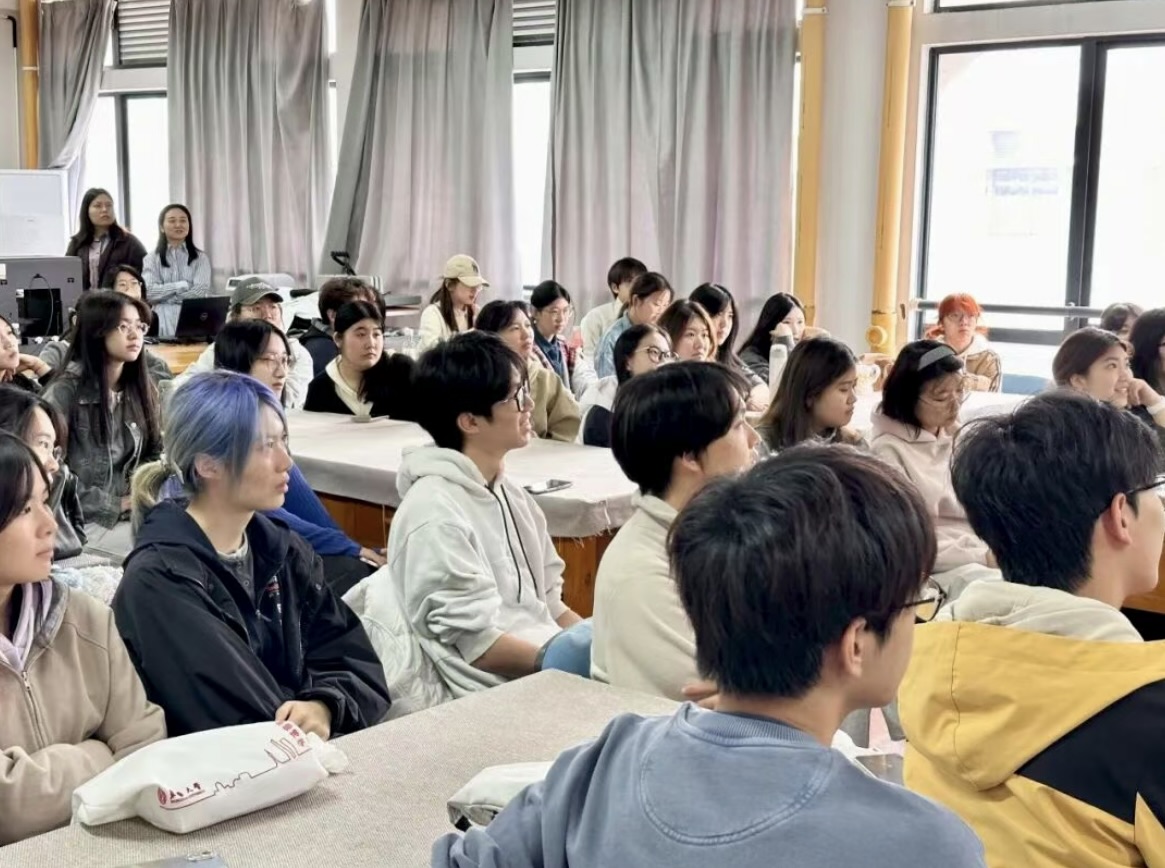
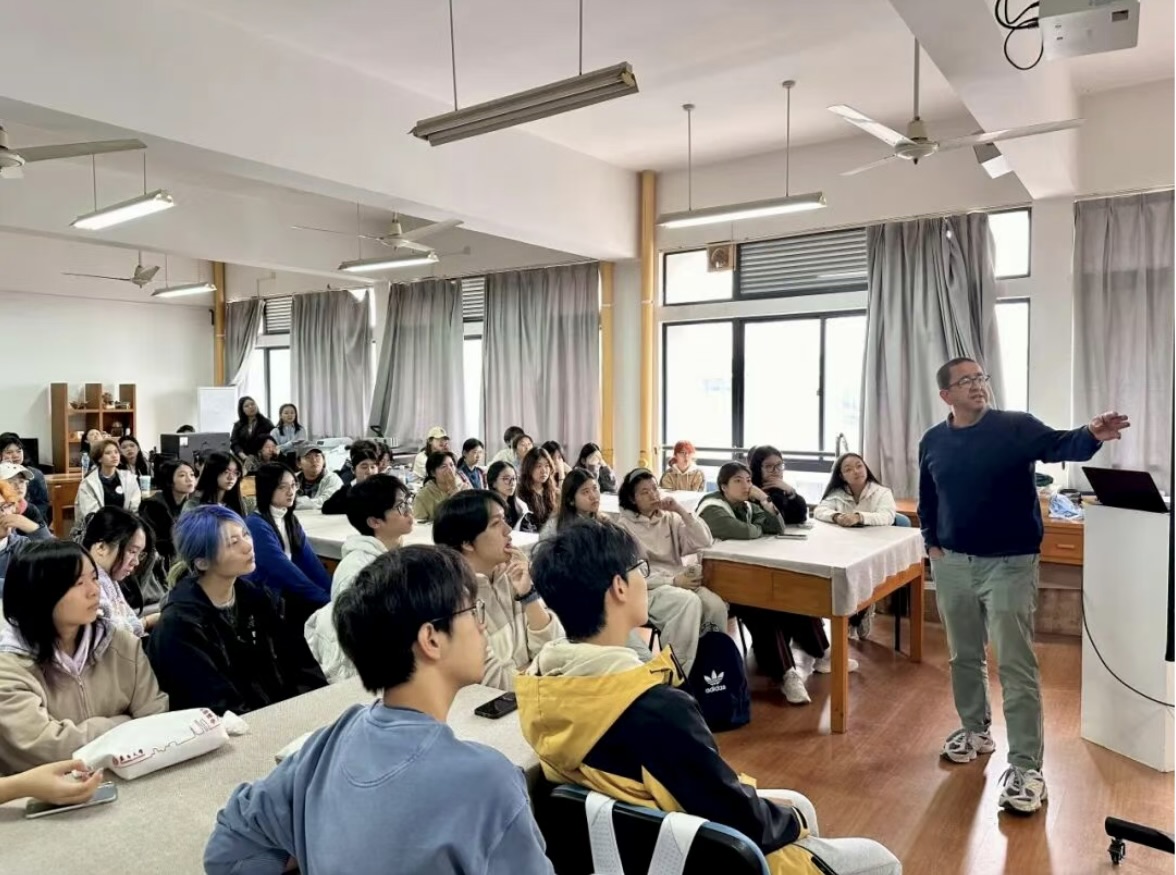
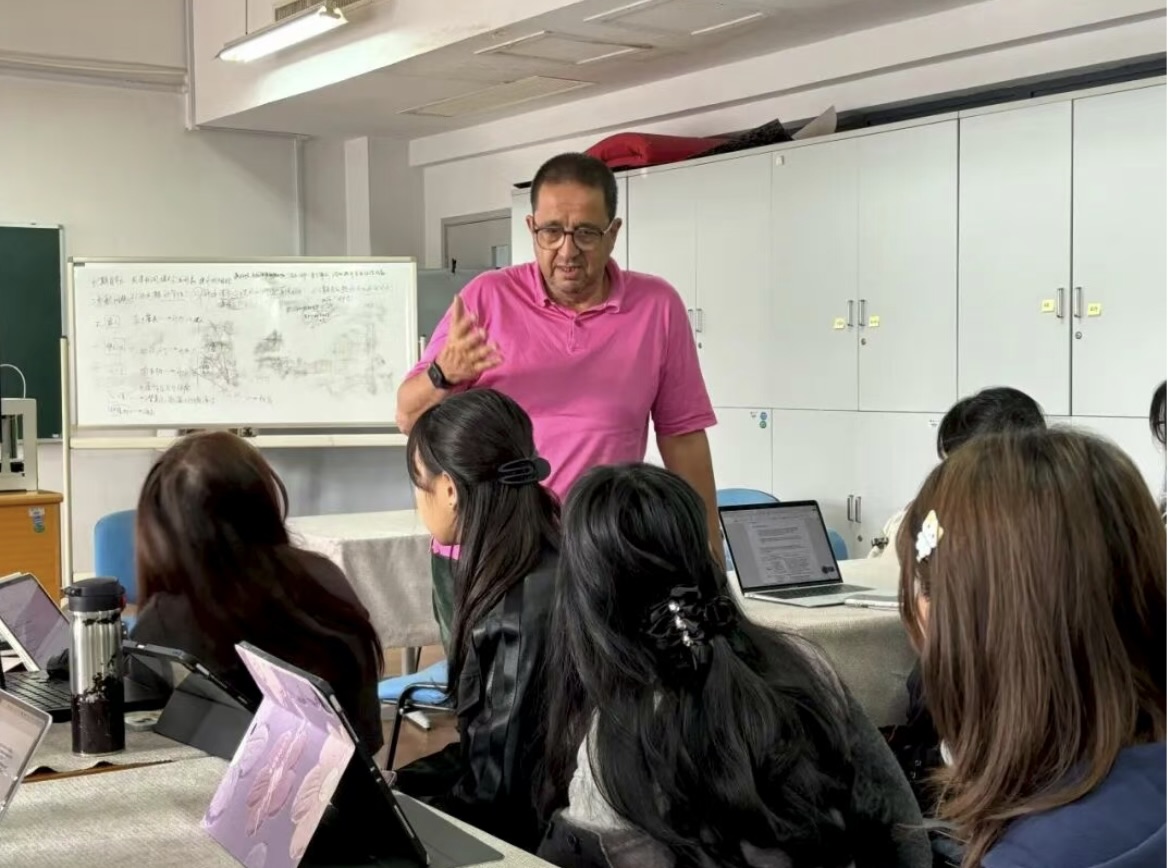
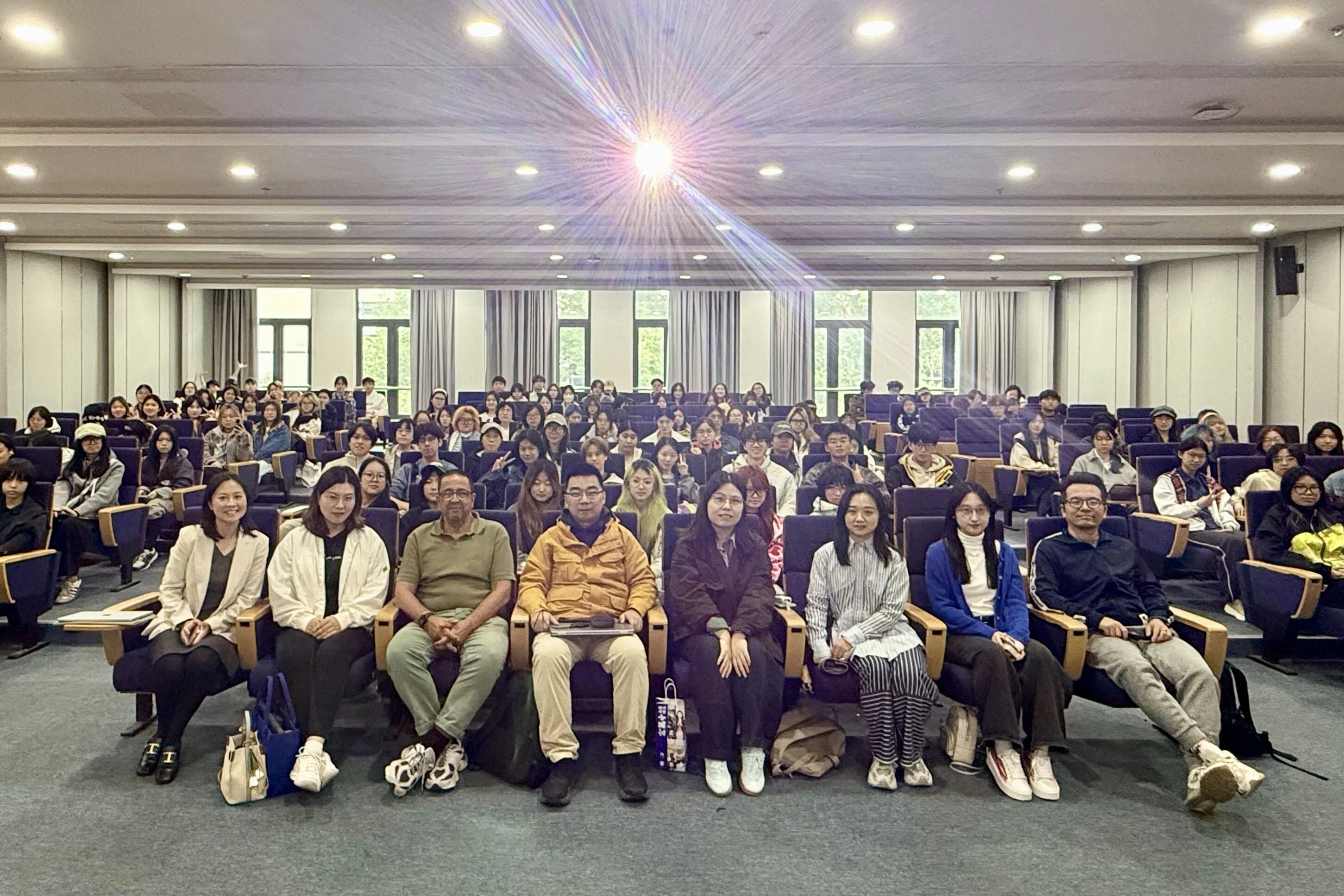
Recently, Professor Peter Kabel from Hamburg University of Applied Sciences was invited to Donghua University, where he hosted a two‑day series of AIGC special events. Combining keynote lectures and multiple workshops, the event presented faculty and students across the university with a creative feast of cutting‑edge ideas, hands‑on exploration and cultural reflection.
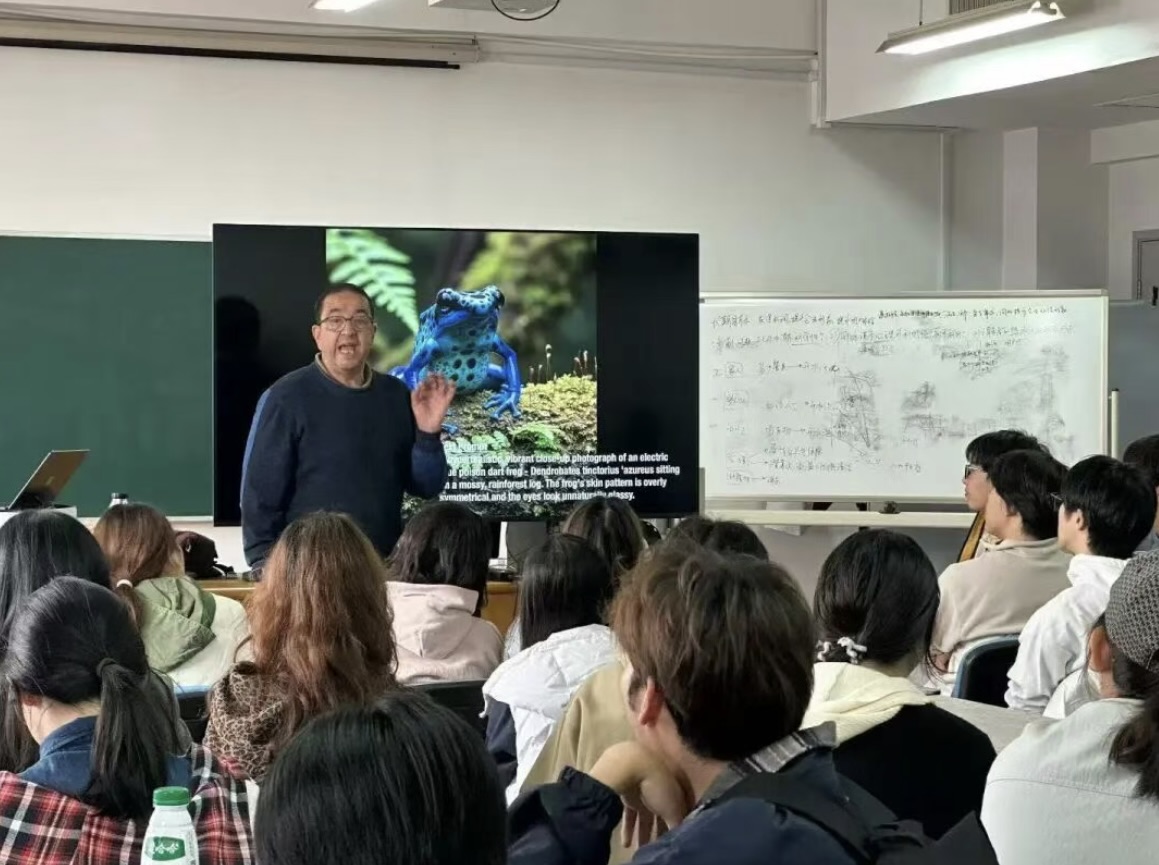
In the public lecture Attention Reset: How Generative AI is Reshaping the Creative Economy open to all faculty and students, Professor Peter Kabel shared his in-depth insights with students and teachers from various majors:“In the AIGC era, knowledge and skills themselves are no longer scarce. The real competitiveness has shifted to the credibility of content, the tolerance of models for cultural diversity, and the ability to construct context precisely.”
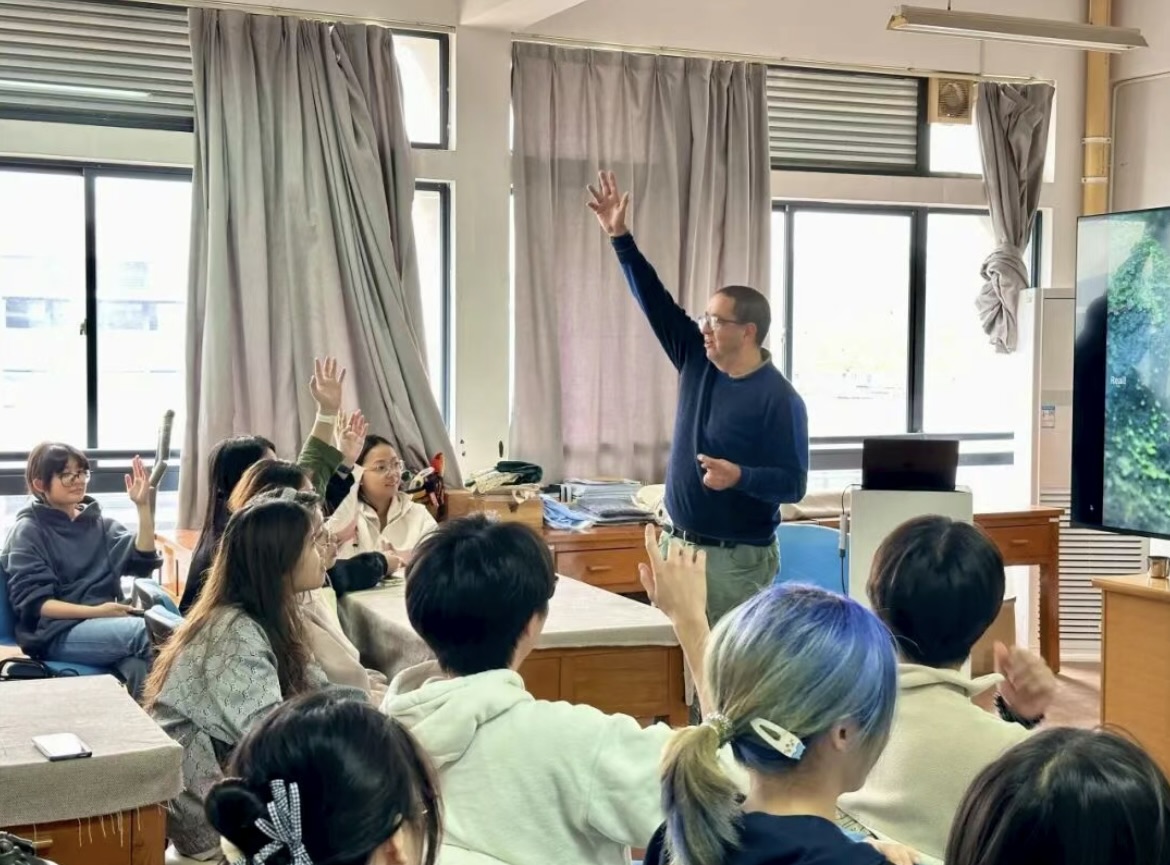
He engaged in in-depth dialogues with teachers and students on topics including “Will AI reshape the ecosystem of the creative industry?”and“What role should designers play in the future?”, inspiring extensive resonance and reflection.
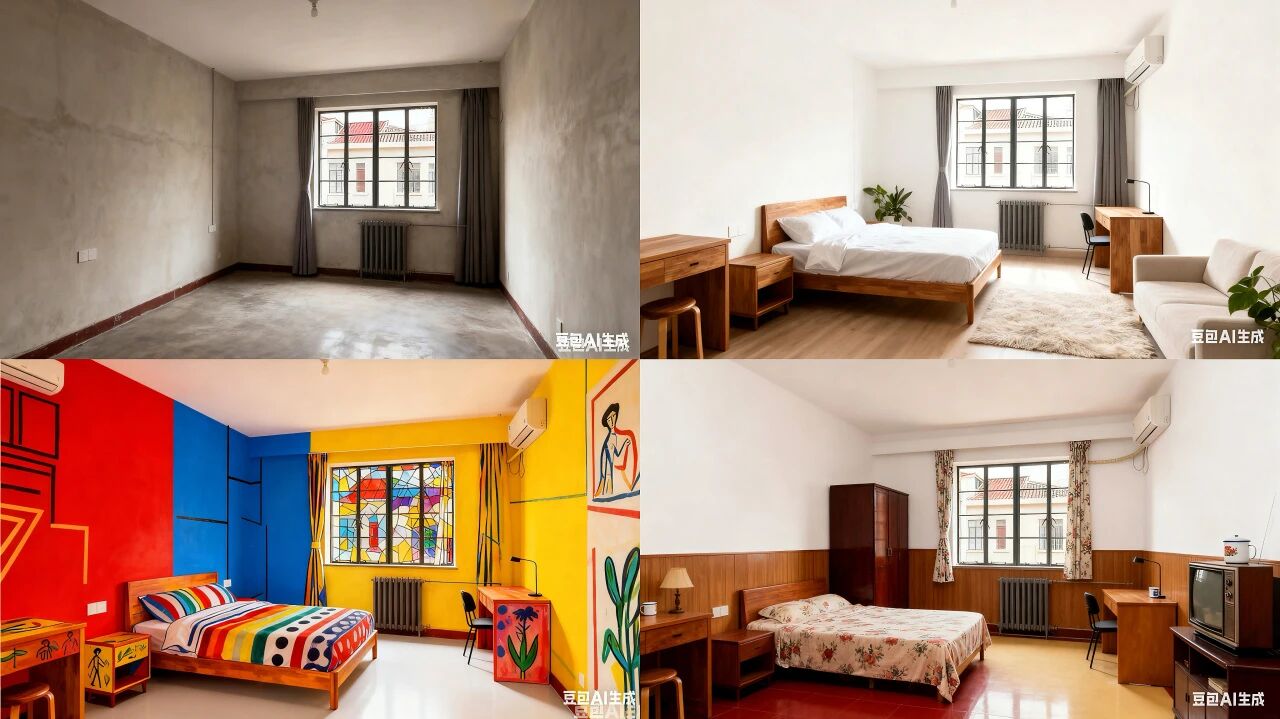
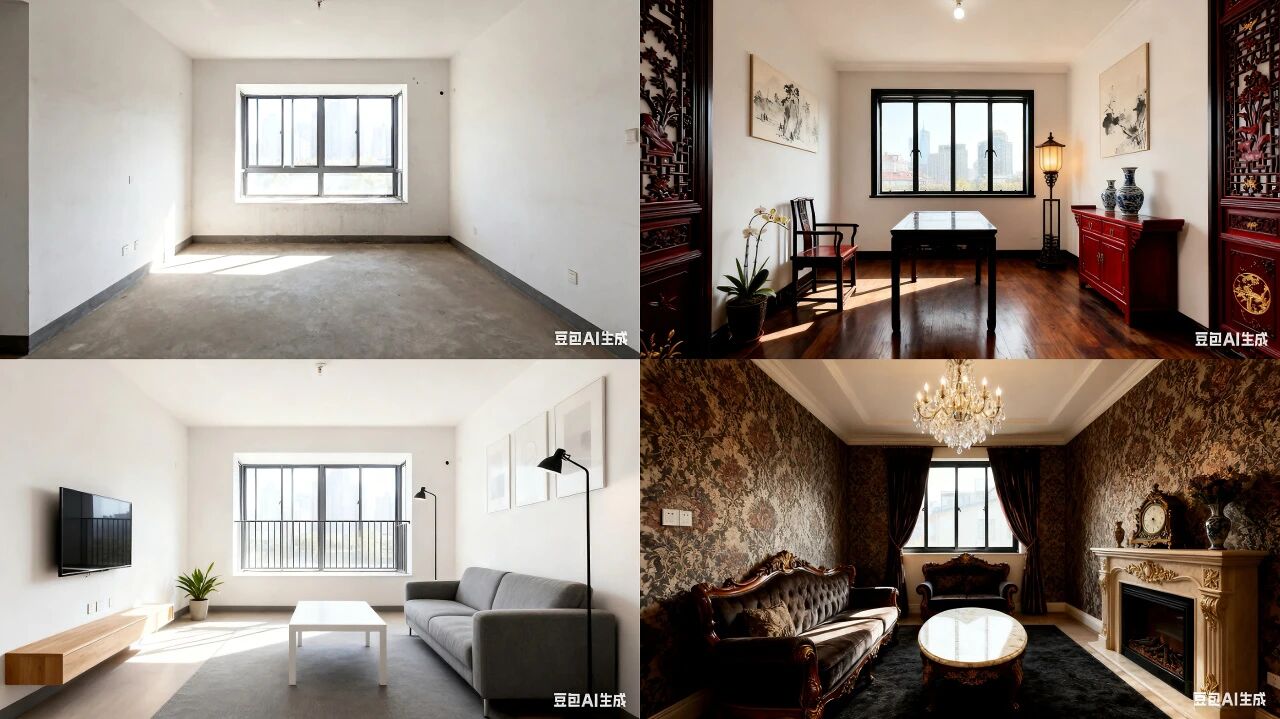
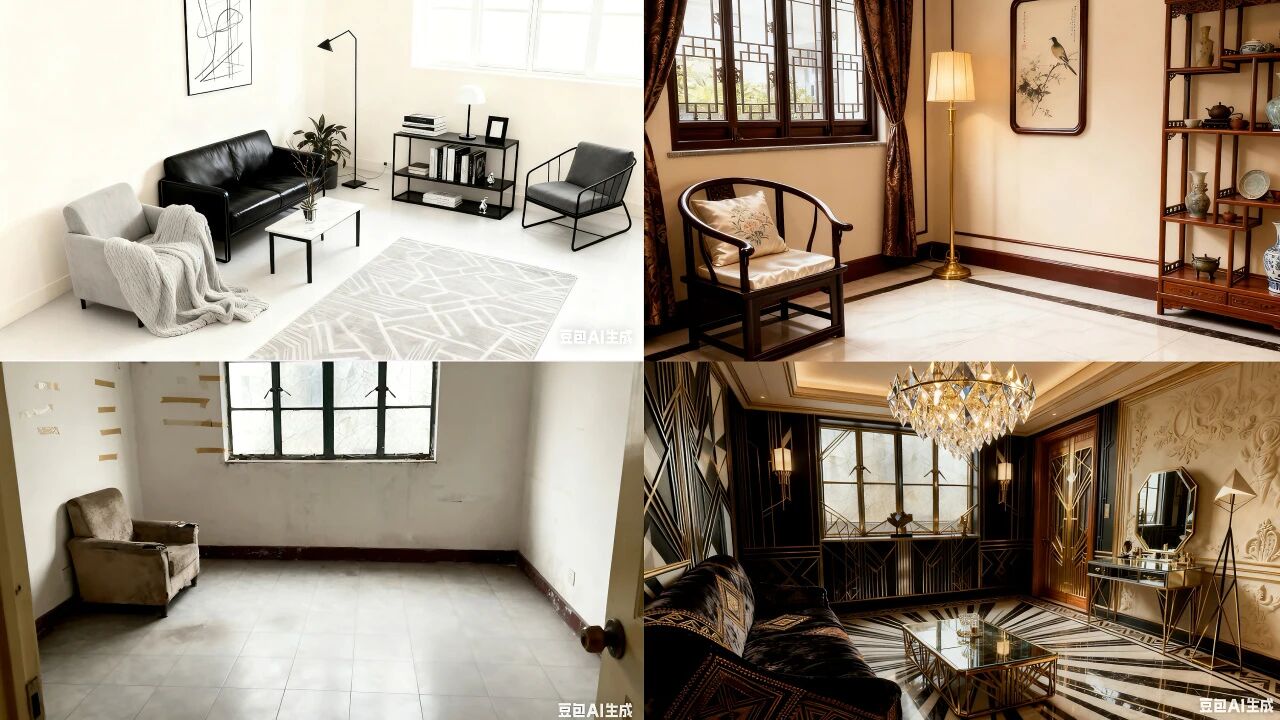
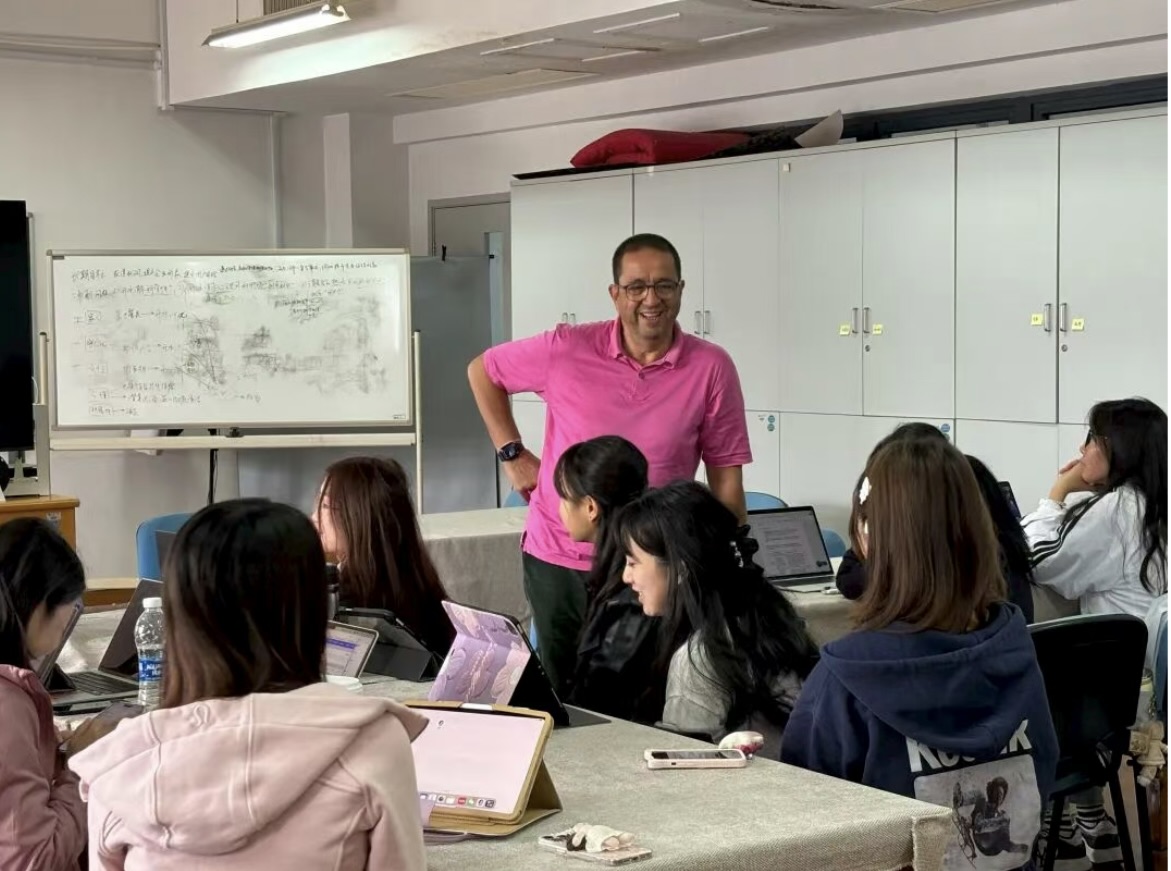
Following theoretical inspiration, the event moved into practical sessions. Three workshops focused on different themes, allowing students to experience firsthand the potential of AI empowerment through on-site creation.The AI × Design Future workshop, tailored for first-year students majoring in Fashion Design and Environmental Design, lifted the veil on AIGC creation in a relaxed and engaging way.
Professor Peter not only demonstrated the high level of AI-generated images in terms of texture, realism and aesthetic expression, but also guided students to understand how designers can break free from technological constraints — by building clear contexts, using storytelling to refine prompts, and selecting, organizing and optimizing through multiple iterations, turning AI into a collaborative tool that expands the boundaries of creativity.
During the practical session, students worked on the task of generating an empty room base + interpreting the same perspective in multiple styles, quickly mastering the tools and exploring expressive possibilities.With Professor Peter’s group reviews and individual consultations, they kept improving their works, and the learning atmosphere on site was enthusiastic.The workshop for students majoring in Fashion Design, Textile Design and Product Design focused further on the integration of generative AI and traditional costume culture.
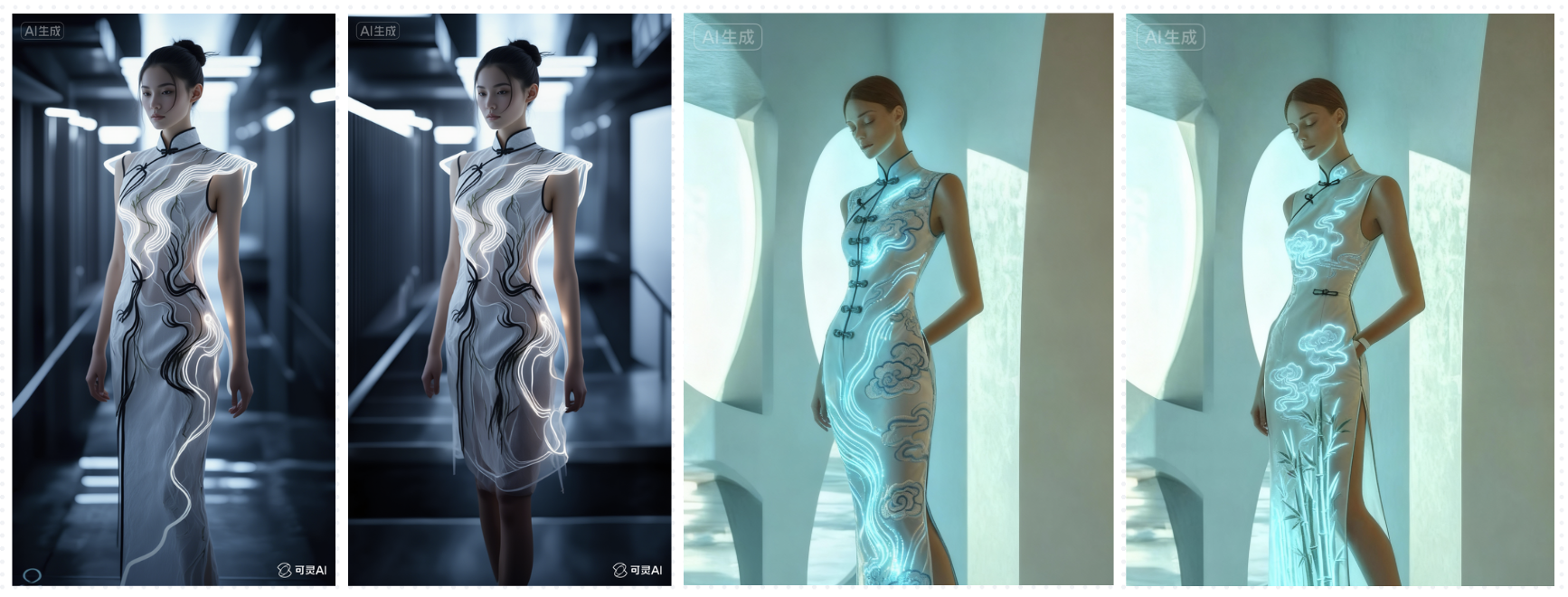
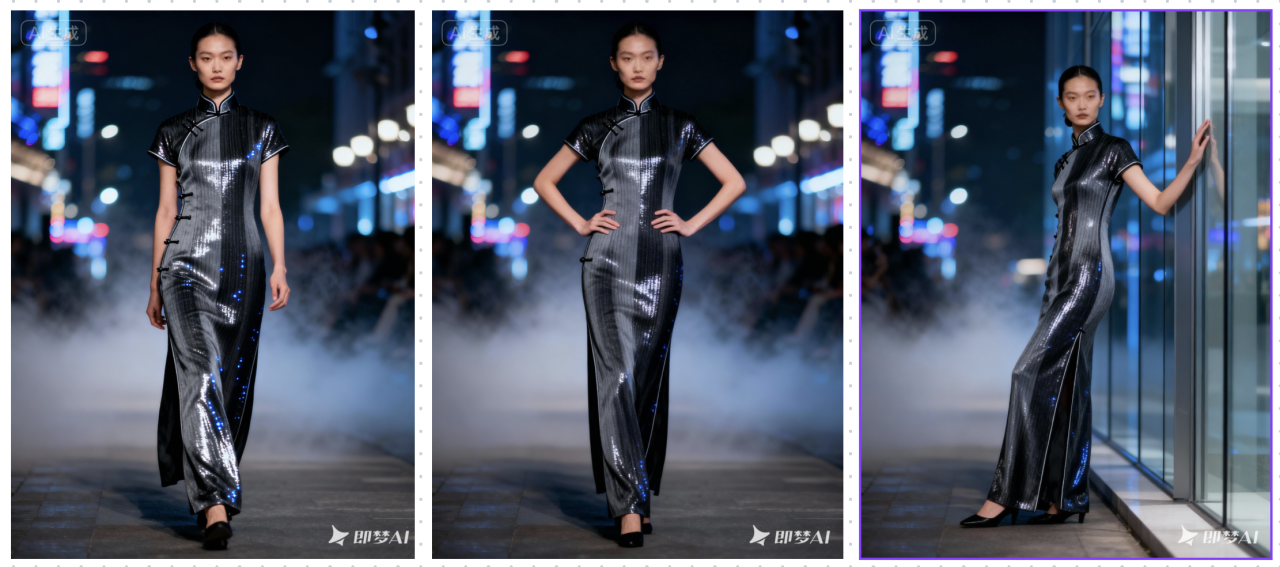
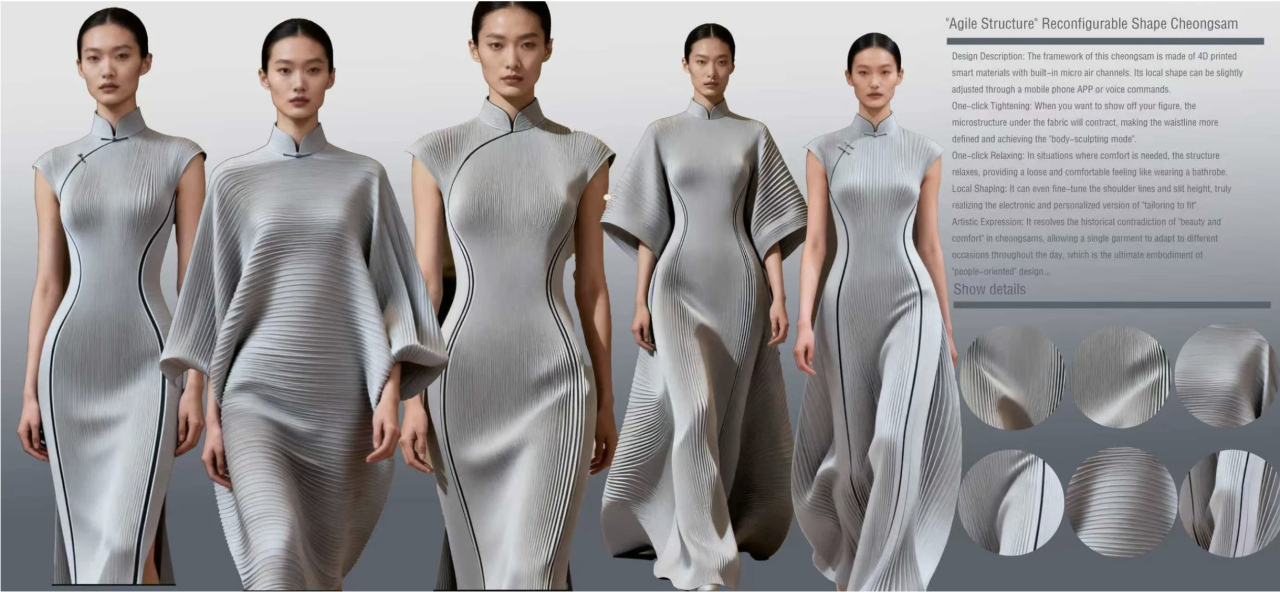
Taking “Future Qipao” as the theme, Professor Peter encouraged students to draw inspiration from traditional patterns, tailoring and costume culture, and use AI tools to rapidly transform concepts into visual proposals.He broke away from the one-way teaching model: after introducing only the basic principles of the tools, he returned creative leadership to the students.
Throughout the process of conception, generation and iteration, the students not only practiced technical application, but also deeply experienced the potential of AI as a medium for cultural translation, exploring modern design paths where “technology revitalizes tradition”.
All workshops featured sessions for project presentation and exchange. Students not only uploaded and shared their generated results but also inspired new ideas through mutual review and discussion. Professor Peter provided one-on-one feedback, offering professional advice based on industry experience. The entire workshop phase was more than skill training—it was a series of practical exercises in thinking expansion and collaborative creation.
Ms. Zhang Ying, who co-taught the fashion module, commented:“Through an innovative small-class practical model, Professor Peter has built a bridge for first-year students to the cutting edge of AI design. He not only helped them quickly master generative AI tools but also successfully stimulated their original thinking, letting them experience firsthand how to turn AI, this ‘engine of creativity’, into a revolutionary force empowering design.”
Ms. Qin Juexiao, who co-taught the environmental design module, noted:“Students may have already experimented with generative models, but in this co-teaching program, guided by Professor Peter’s professional instruction and hands-on coaching, they made a leap from casual trials to systematic application. They not only deepened their understanding of AI design logic but also learned to build prompts through storytelling and optimize creations with iterative thinking.
By collaborating with peers and interacting with experts, they truly grasped the core value of AI-design synergy and showed strong curiosity and creativity. The event achieved the dual goals of technological empowerment and intellectual growth.”
The two-day AIGC series of events was both theoretically profound and practical, successfully creating a visible, tangible, and hands-on learning environment.Faculty and students not only experienced the cutting-edge applications of generative AI in design but also explored greater creative possibilities at the intersection of tradition and modernity, technology and humanities.
With his professional perspective and dynamic teaching approach, Professor Peter Kabel not only imparted tools and methods but also inspired deeper reflection on how to uphold the essence of design and harness the power of technology in the AIGC era.
In the future, the college will continue to introduce high-quality educational resources from home and abroad, and develop more cross-border and innovation-inspired academic activities, building a broader practical platform for the creative growth of teachers and students. |

CONTACTS | RECRUITMENT | Q&A | Online Course Platform
Copyright 2019 Donghua University
Donghua University, Shanghai International College of Fashion and Innovation
Address: : No.1882, West Yan’an Road, Changning District, Shanghai, 200051