| TCM can be this amazing! Don’t miss the Five Elements visual feast by Donghua SCF. |
|
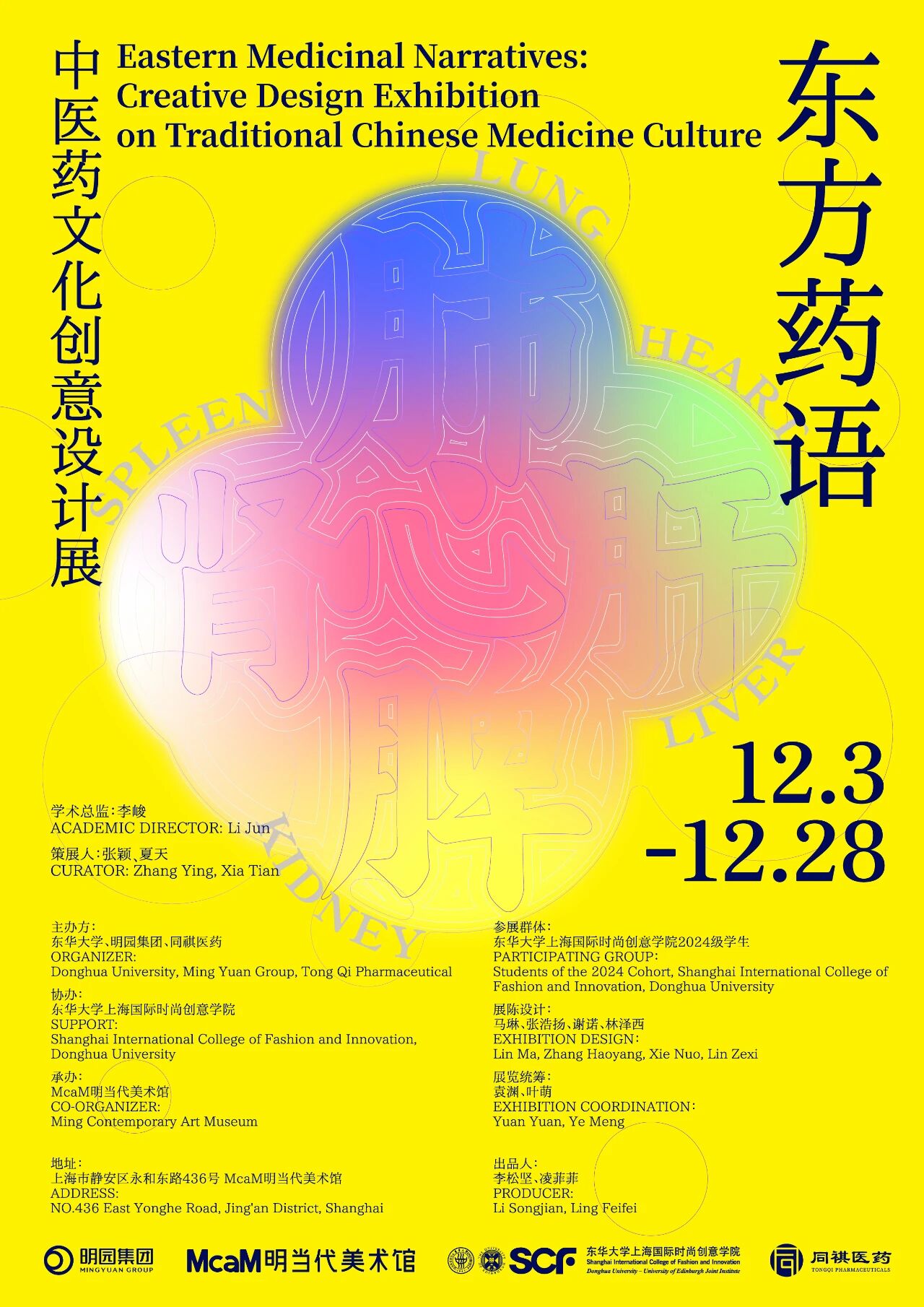
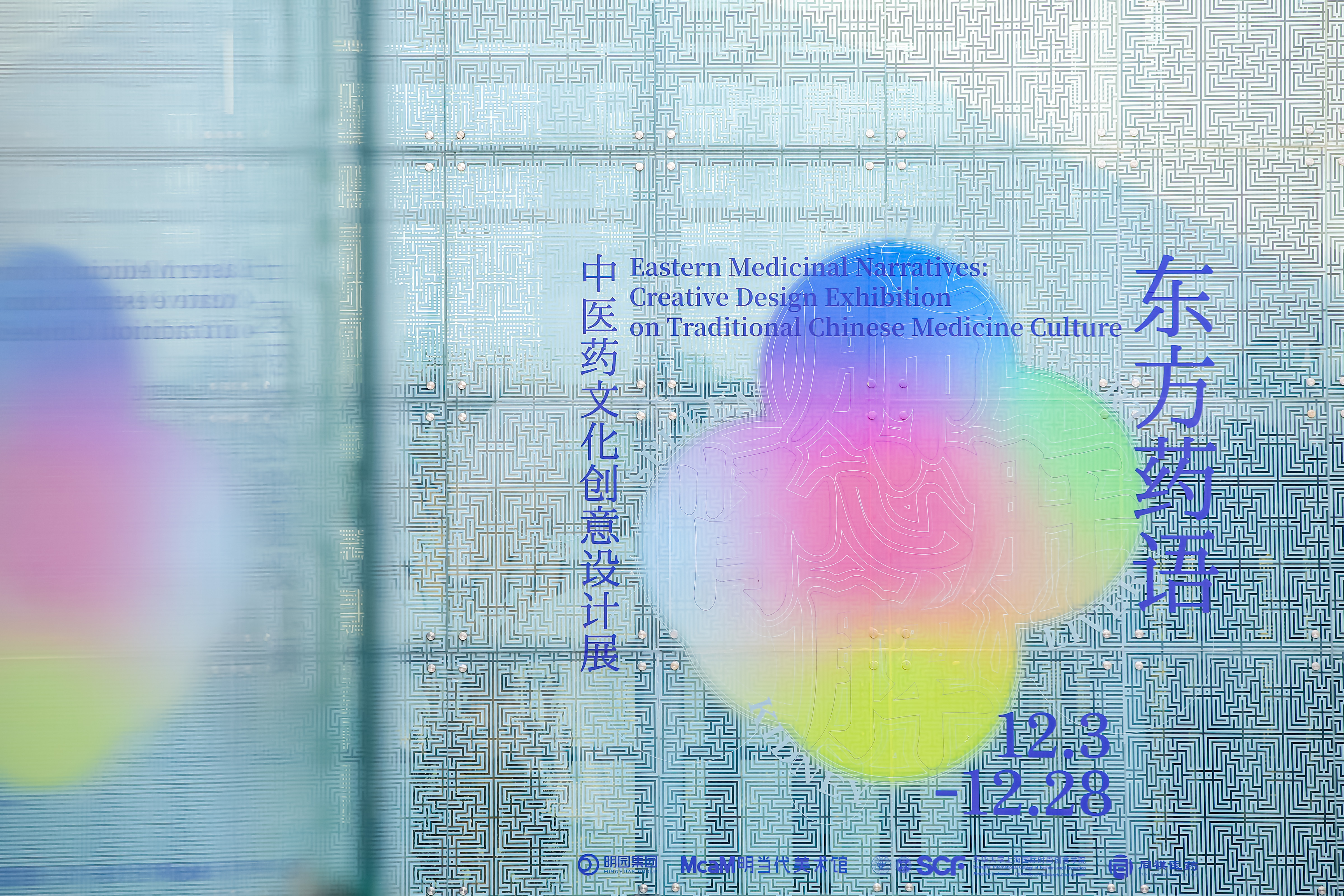
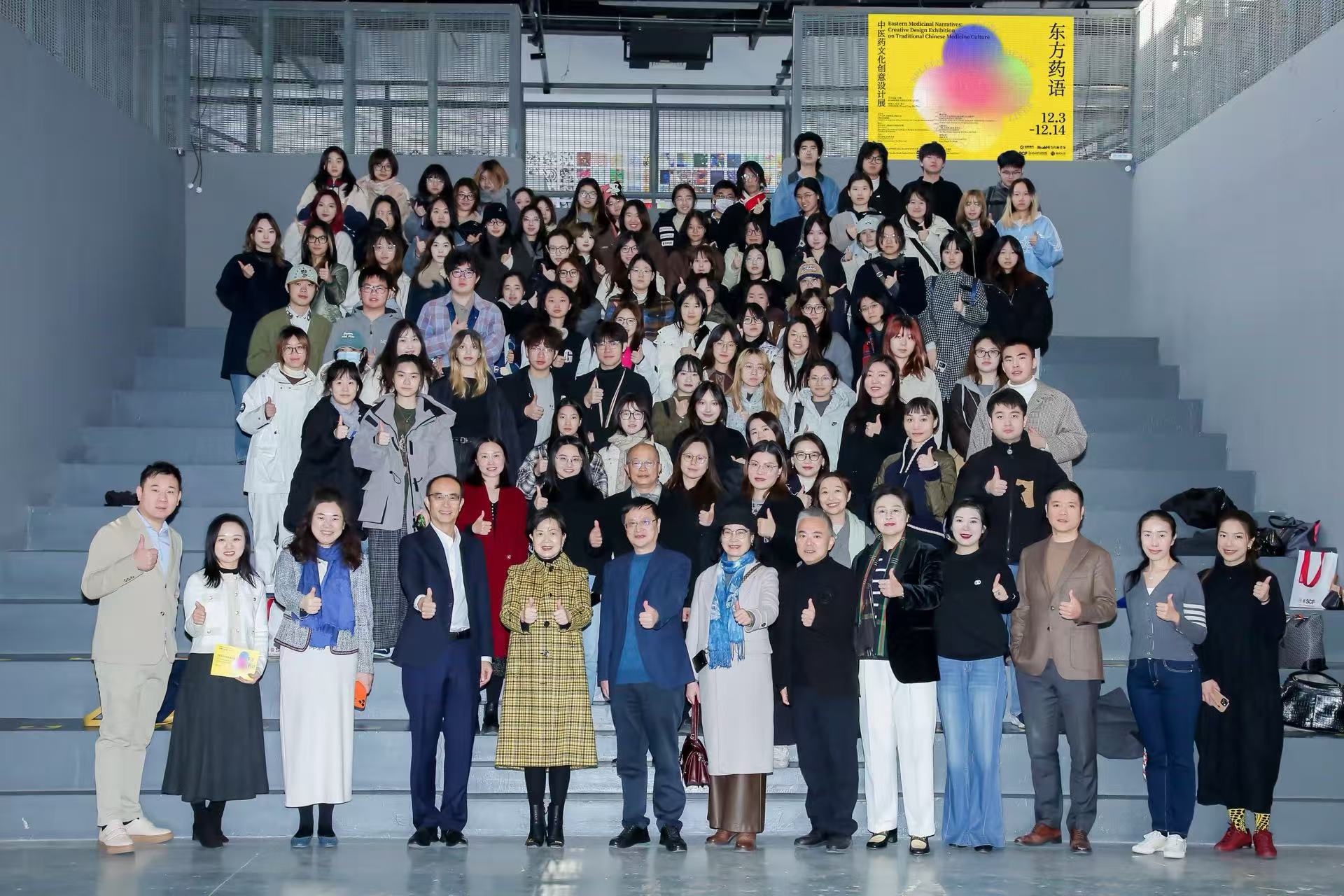
On the morning of December 3, 2025, the exhibition Oriental Medicine Language: Traditional Chinese Medicine (TCM) Cultural and Creative Design Exhibition, hosted by the Shanghai International College of Fashion and Innovation (SCF), Donghua University, opened at the Ming Contemporary Art Museum. Centered on the rich culture of traditional Chinese medicine, this exhibition builds a dymatic bridge between traditional wisdom and modern design through the innovative creative interpretations of young design talents.
Distinguished guests attending the opening ceremony included Yan Linping, Vice President of Donghua University; Ling Feifei, President of Mingyuan Group; Wang Jianhua, Executive Deputy Director of the Cross-border Education Committee of Shanghai Education Evaluation Association; Shen Jie, Director of Development and Liaison Office; Yu Guangchao, Chairman of Zhejiang Ruijin Tourism Development Co., Ltd.; Lin Wenwei, Secretary of the Party Committee of the Joint College; Li Jun, Dean of SCF; faculty representatives of the college; and all students of the 2024 cohort.
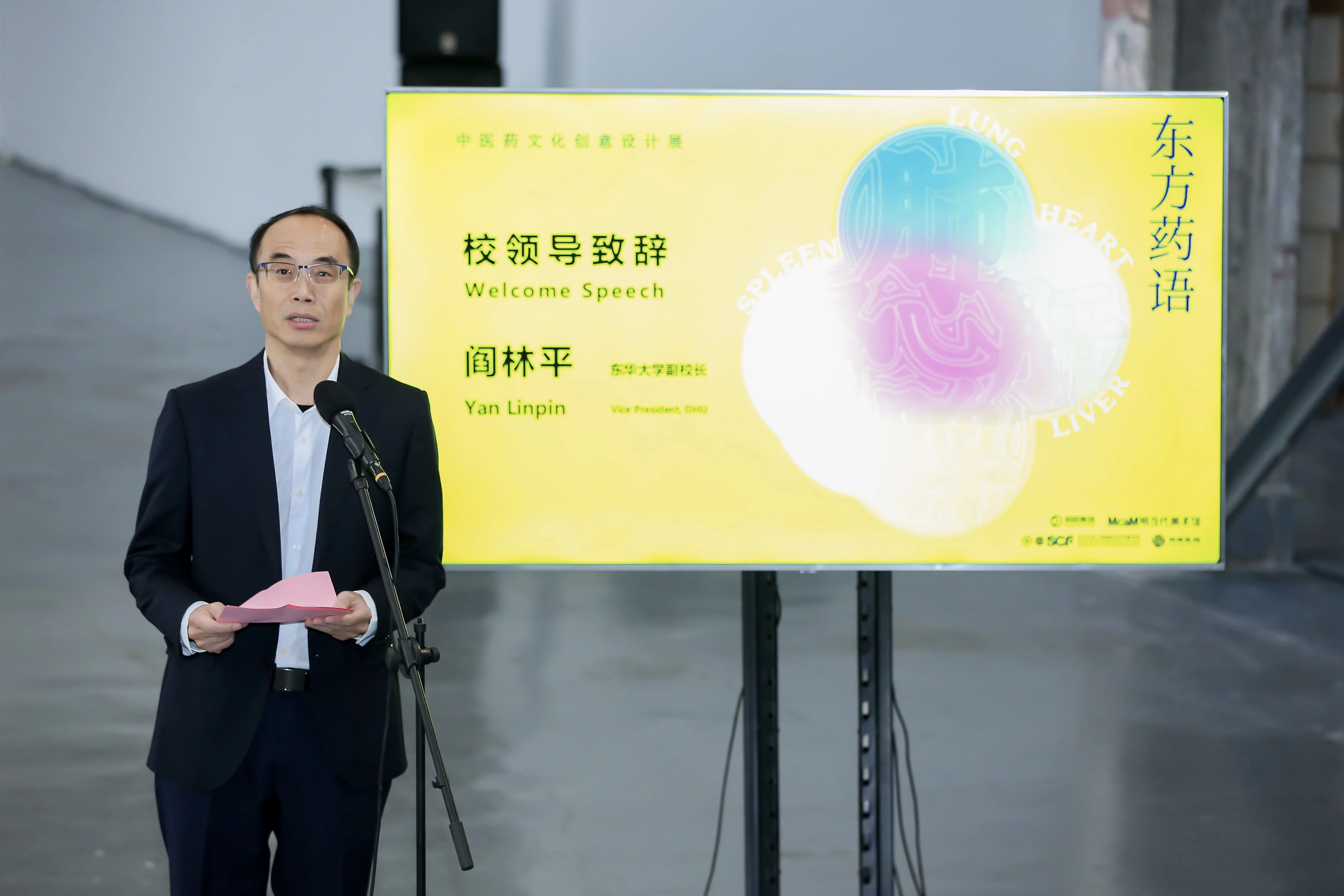
On behalf of Donghua University, Vice President Yan Linping expressed gratitude to Mingyuan Group for its long-term care and support for the university’s development.Henoted that this exhibitio represents a vivid exploration of integrating educational innovation with cultural inheritance. It also showcases the creative achievements of young designers within the context of international industry-education integration and project-based learning. The students have creatively expressed the ancient wisdom of the Chinese nation through modern design language. Through cross-border cooperation, they have cultivated the ability to use design as a bridge to connect science and technology with humanities, and to link tradition with the future. This is a concrete reflection among the younger generation of promoting the creative transformation and innovative development of fine traditional Chinese culture.
On behalf of Mingyuan Group, President Ling Feifei extended a warm welcome to all participating teachers and students from Donghua University. As an alumna of Donghua University, she has always cared for and supported the development of her alma mater, and helped young students grow and thrive. She noted that Chinese culture is a treasure of world civilization and provides an inexhaustible source of inspiration for creative design. From the innovative shadow puppetry at the China Pavilion of the Venice Biennale to the modern interpretation of Suzhou embroidery skills, these cases have proven that the collision between tradition and modernity can achieve amazing charm. She encouraged the students to explore Chinese traditional culture wholeheartedly in artistic creation and inject new vitality into traditional culture with professional knowledge. Mingyuan Group will continue to build practical platforms and work together with teachers and students of Donghua University to fulfill the mission of cultural inheritance.
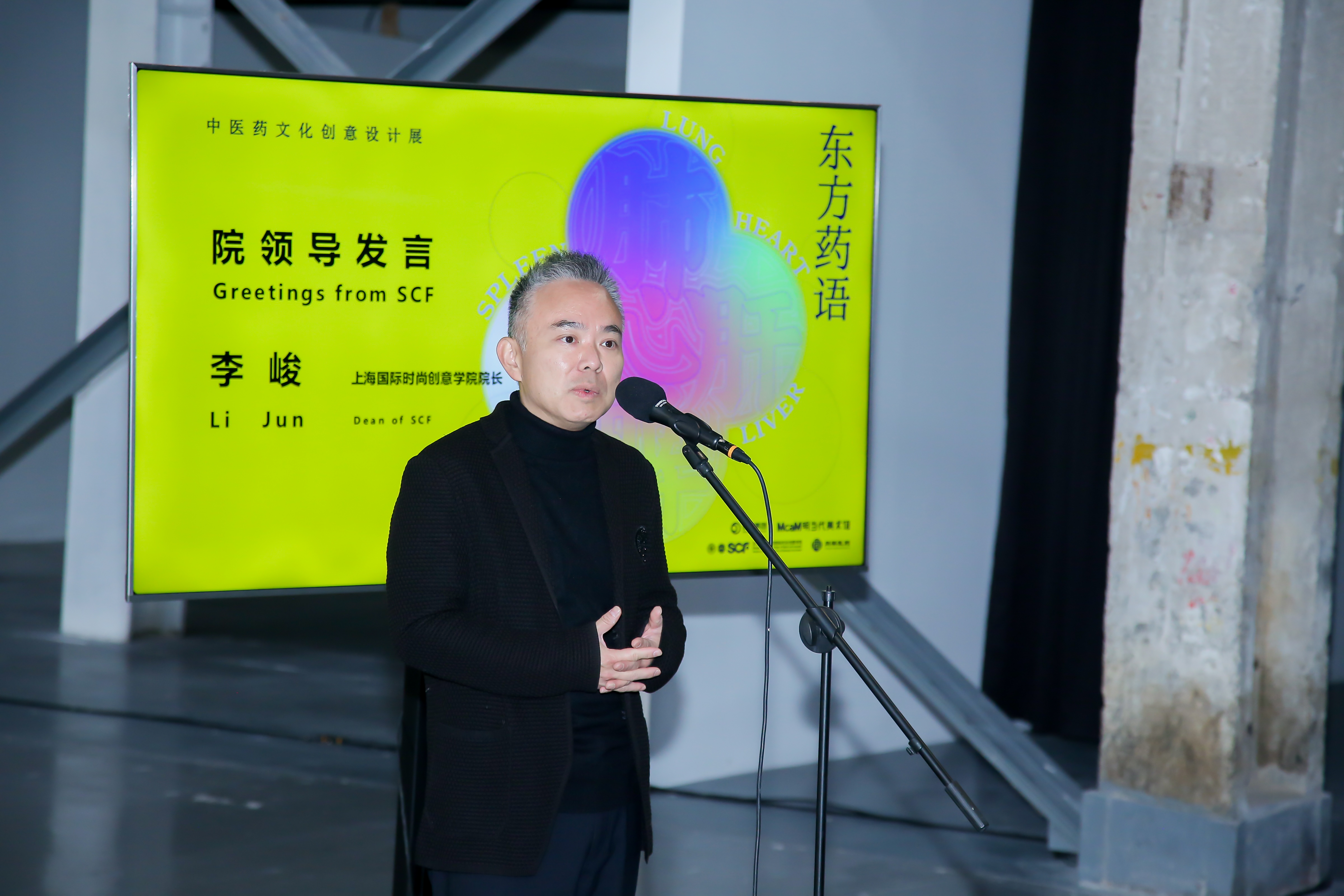
In his speech, Li Jun, Dean of SCF, stated that this curriculum exhibition is a vivid practice of the college in promoting collaborative innovation among industry, academia, research and application. The course integrates profound cultural heritage into cutting-edge teaching reform, yielding innovative achievements with ideological depth, artistic beauty and social value, and cultivating more interdisciplinary design talents with both professional competence and cultural literacy.
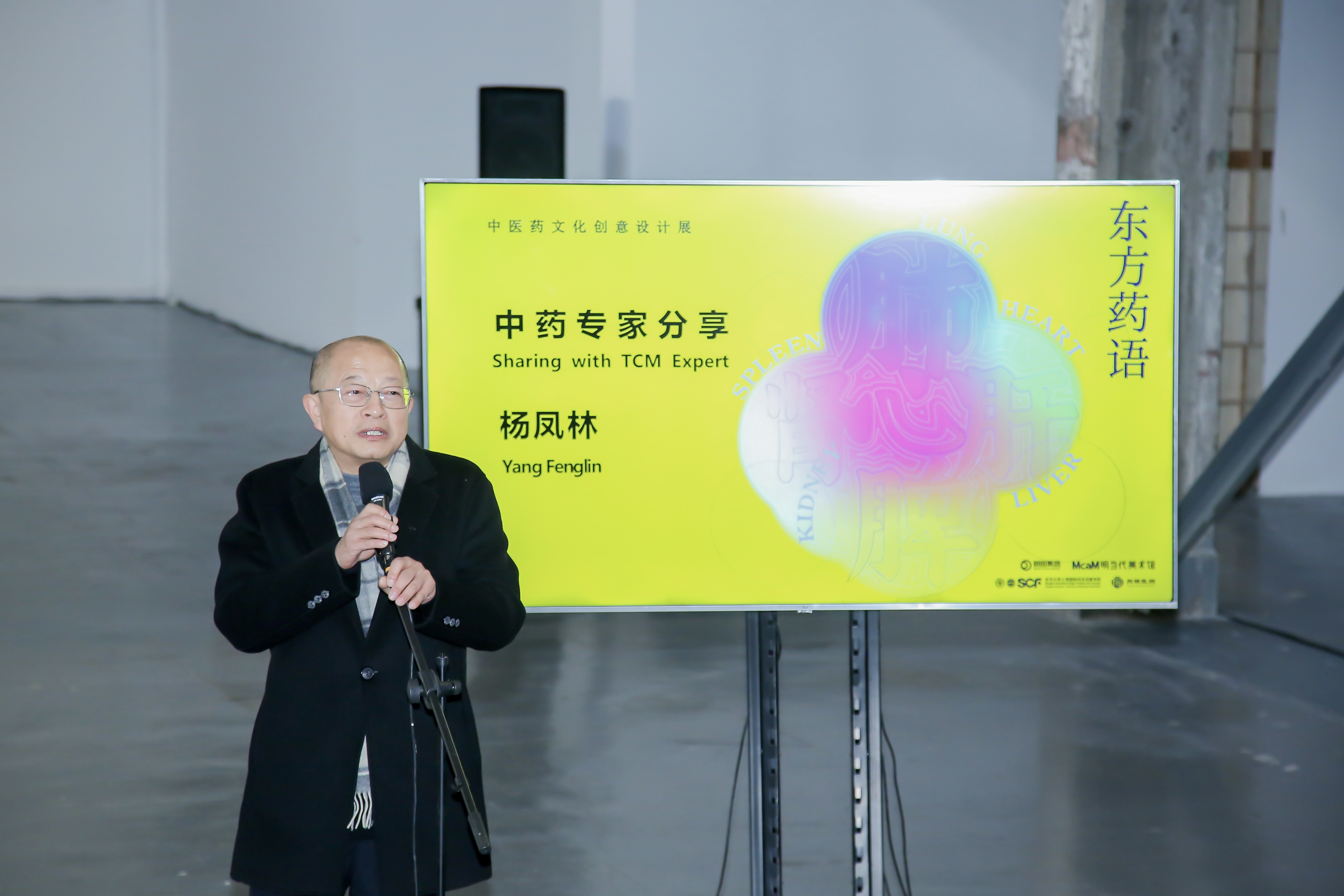
Dr. Yang Fenglin, a TCM expert, noted that Traditional Chinese Medicine is a treasure of traditional Chinese culture playing an essential role in national development, healthcare, and epidemic prevention. The exhibited works feature novel concepts and unique perspectives, helping more young people understand and appreciate TCM, thus injecting enduring vitality into it.
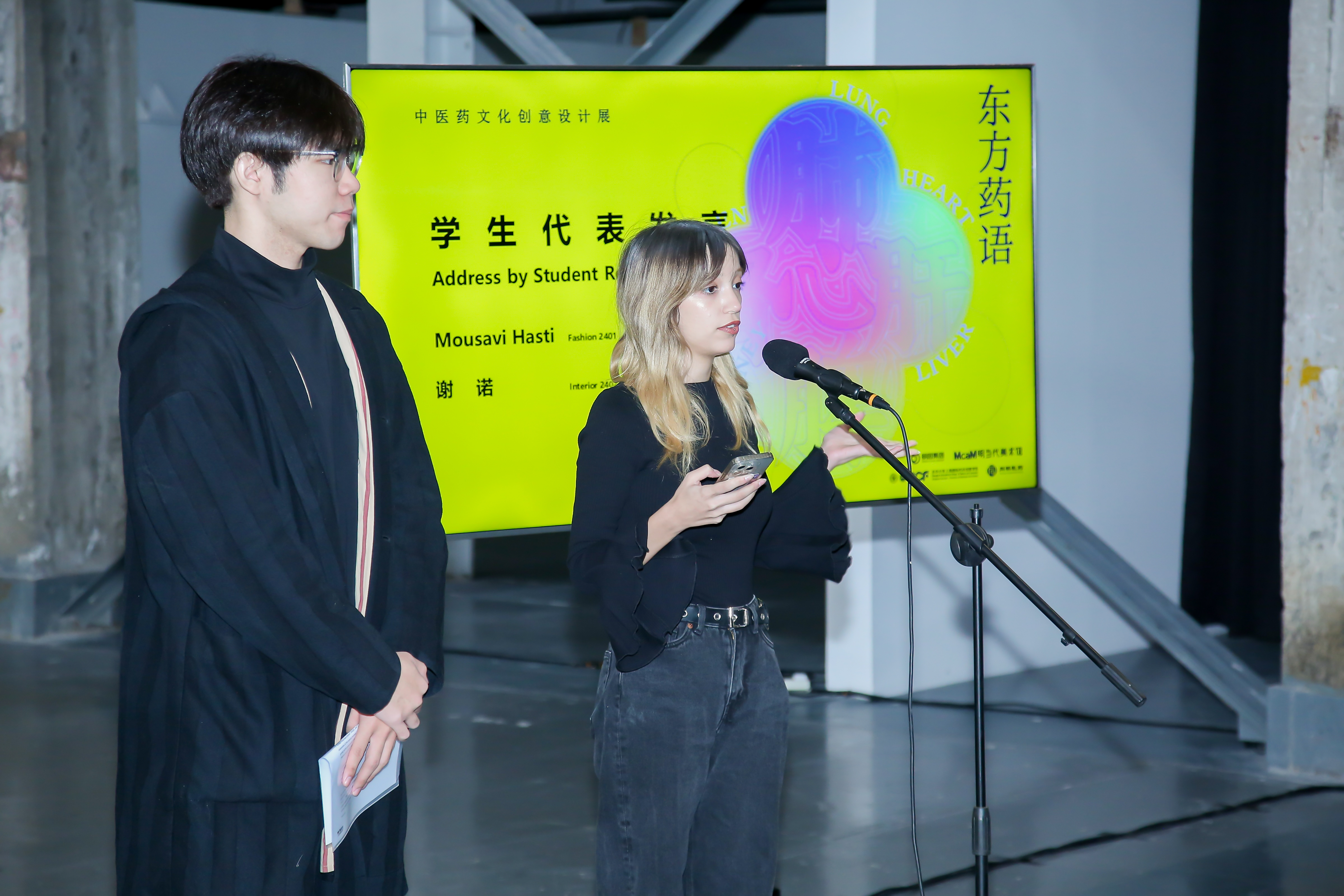
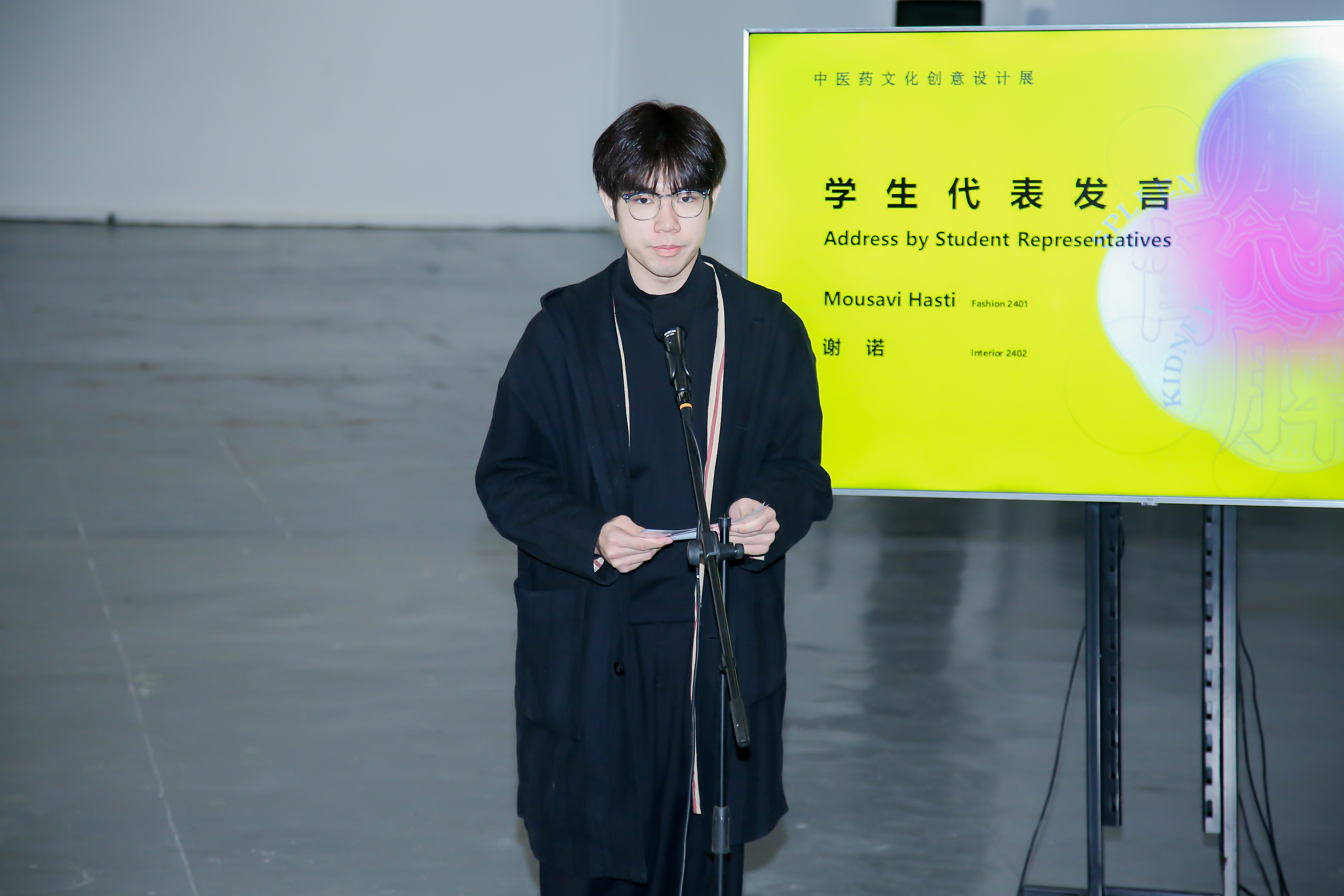
At the opening ceremony, Hestia, an international student majoring in Fashion and Apparel Design (2024 cohort), and Xie Ruo, majoring in Environmental Design (2024 cohort), shared their creative inspirations. They offered unique interpretations and innovative expressions of traditional culture from a youth perspective.
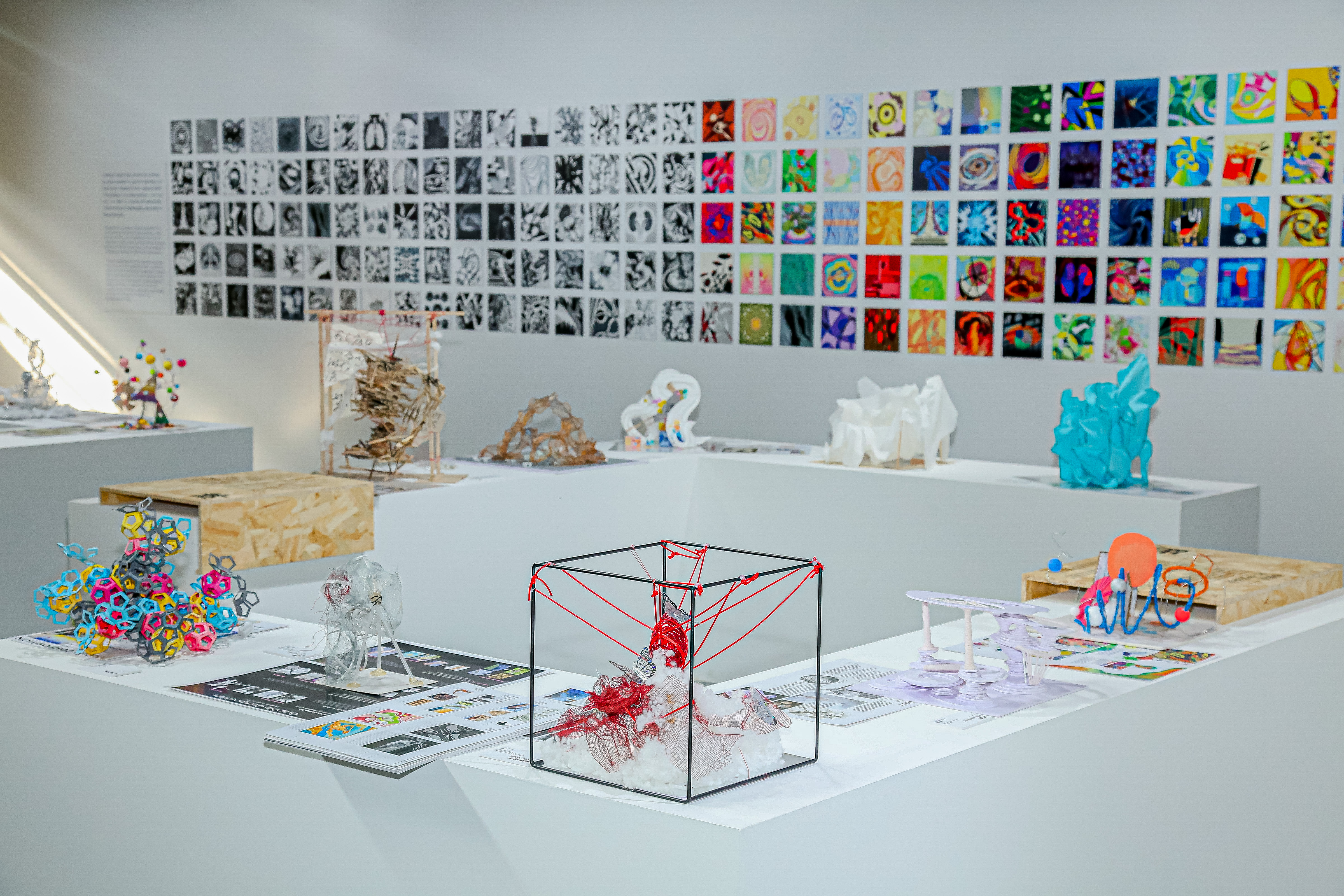
Taking the culture of Traditional Chinese Medicine (TCM) as the core carrier, the course adopts systematic design methods including plane composition, color composition and three-dimensional composition to visually decode and modernly translate TCM health-preserving concepts.
During the course, the college, together with Mingyuan Group, organized a lecture on “Four Seasons Health Preservation” by senior TCM experts and an immersive visit to Tongqi Pharmacy. Students were able to get close to Chinese medicinal materials, observe the intelligent decoction process, and personally prepare medicinal diet and health-preserving tea, accumulating vivid materials for their creations.
Author: Yang Ruixuan Creative Concept: Starting from symptoms such as palpitations and breathing difficulties, tangled lines are used to symbolize the suffocation of being “restrained”, while dark, heavy color blocks reflect the disordered physical state.
The healing power of “recovery” is embedded in traditional Chinese medicine imagery: Ophiopogon japonicus and Schisandra chinensis are abstracted into geometric forms; transparent mesh tubes simulate the unblocking of meridians; bright colors convey a sense of relief and relaxation.
By integrating the therapeutic power of traditional herbs with three-dimensional composition, the work presents a healing journey from constraint and suffocation to comfort and vitality.
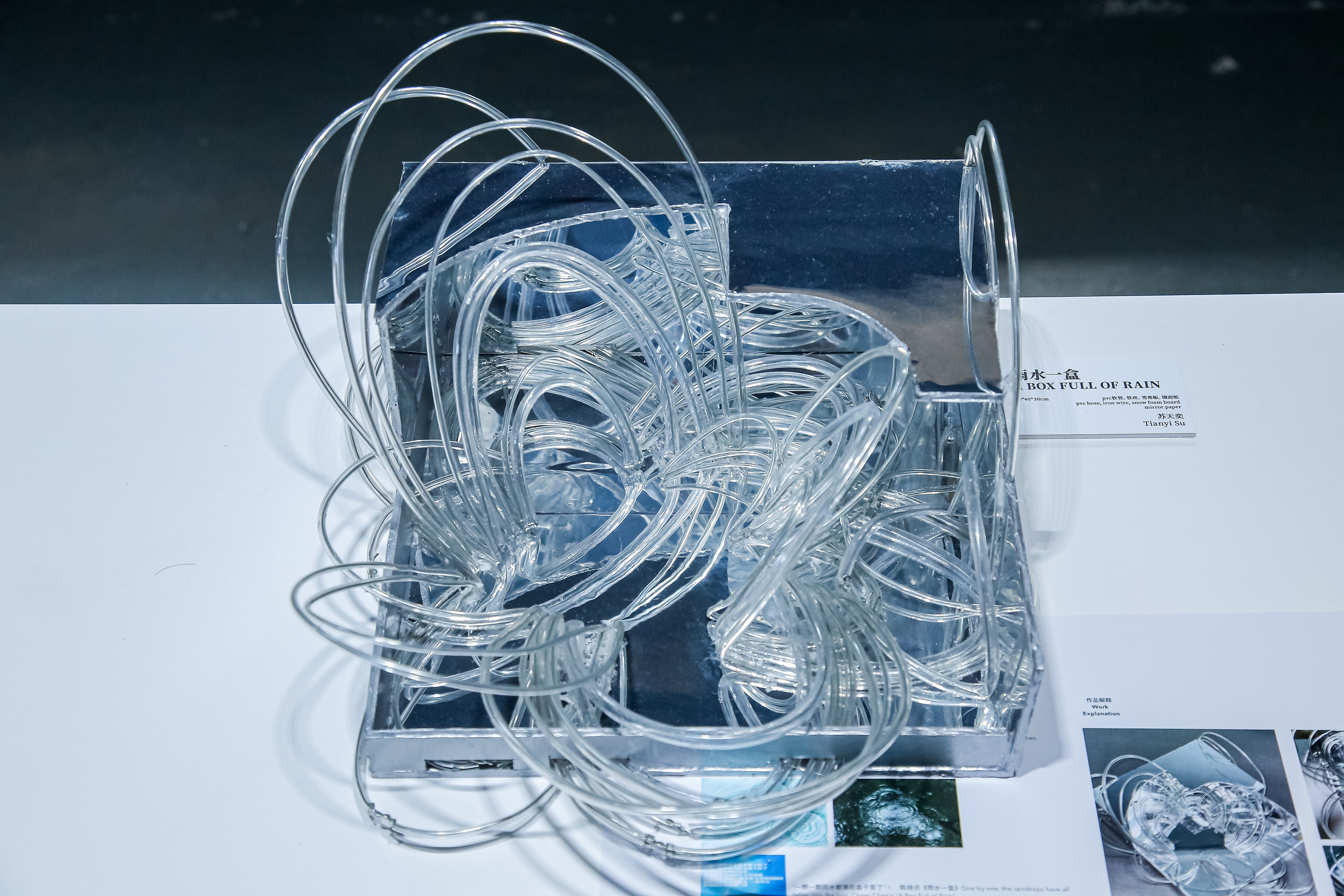
Author: Su Tianyi Creative Concept: Taking the TCM theory that the kidney governs water and its luster is reflected in the hair as the core, the work visualizes the concept of kidney essence transforming into rain to nourish hair strands. It captures the ripples and splashes formed when rain falls, condensing them into an intertwined and extending abstract linear structure.
Using materials such as iron wire, PVC hoses, and PVC foam boards, the work freezes the vitality of rain in a static space, symbolizing that life grows endlessly like rain threads and interpreting the nourishing effect of kidney essence on hair.
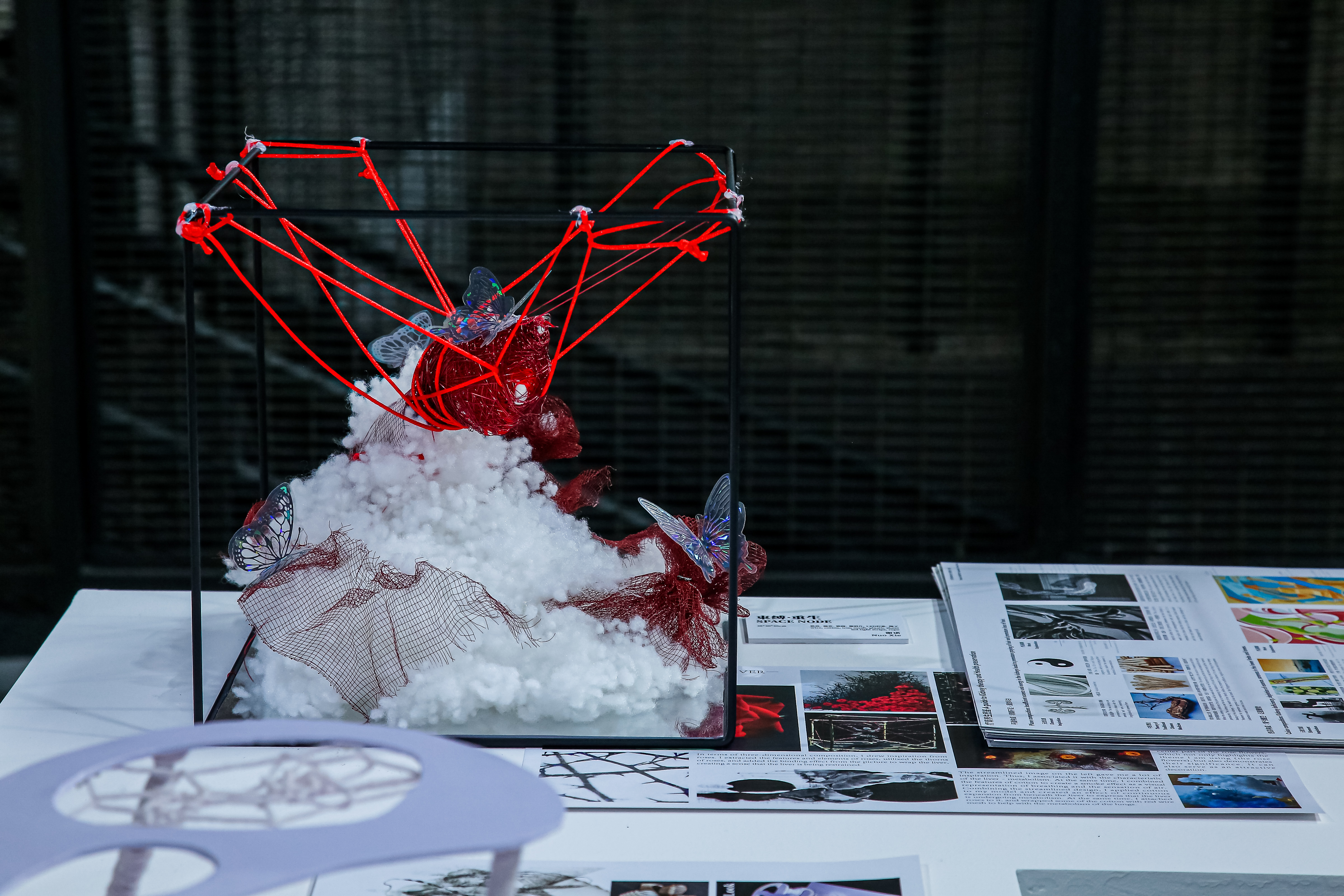
Author: Xie Nuo Creative Concept: With the liver as the core, the work symbolizes that it is constrained in pollution. Roses, like medicinal herbs, soothe the liver and regulate qi, while cotton absorbs turbid qi, jointly constructing the meaning of purification. Butterflies flutter gently, dotted with light and shadow, like the pulse of life restarting, conveying the gentle power of healing and rebirth.
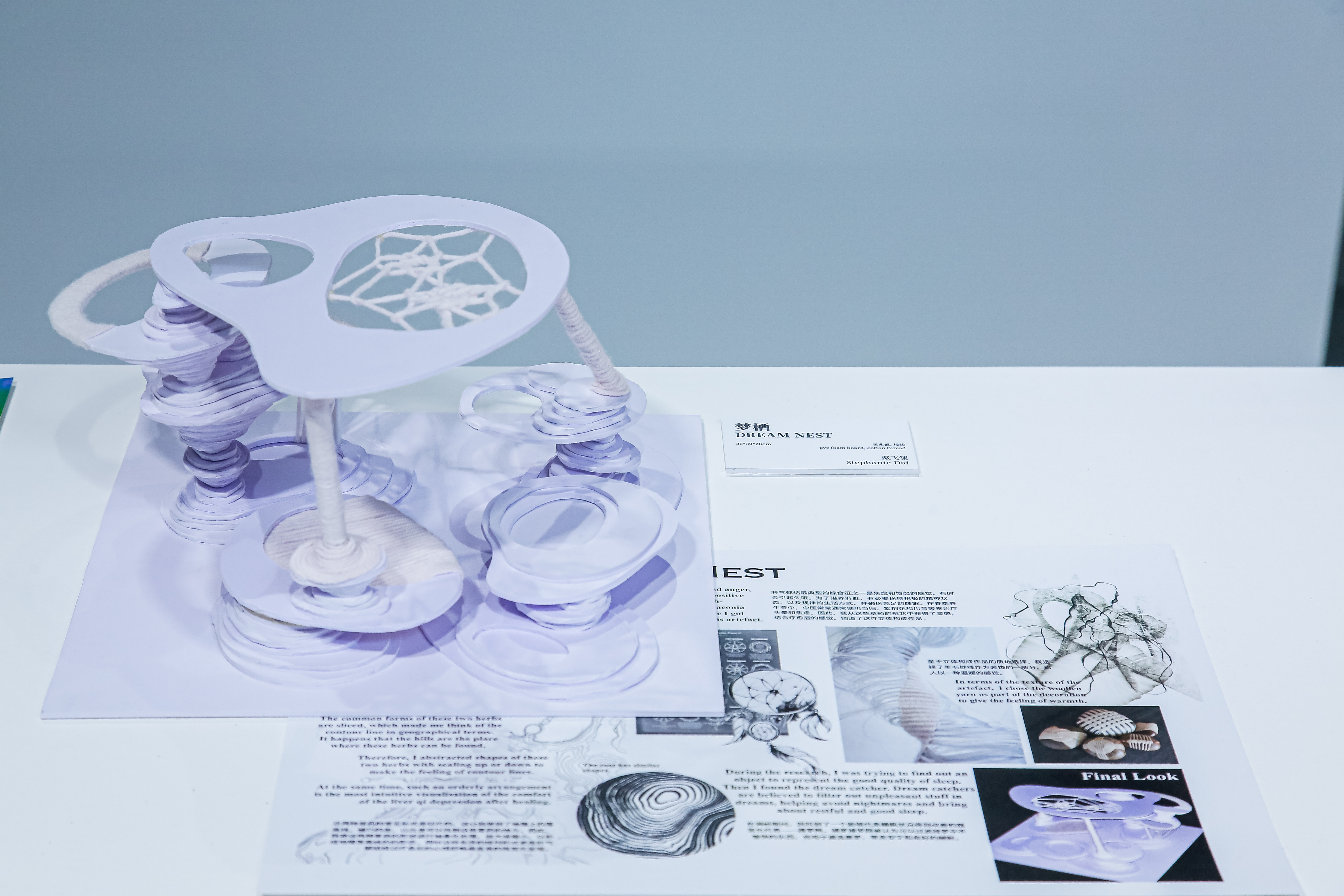
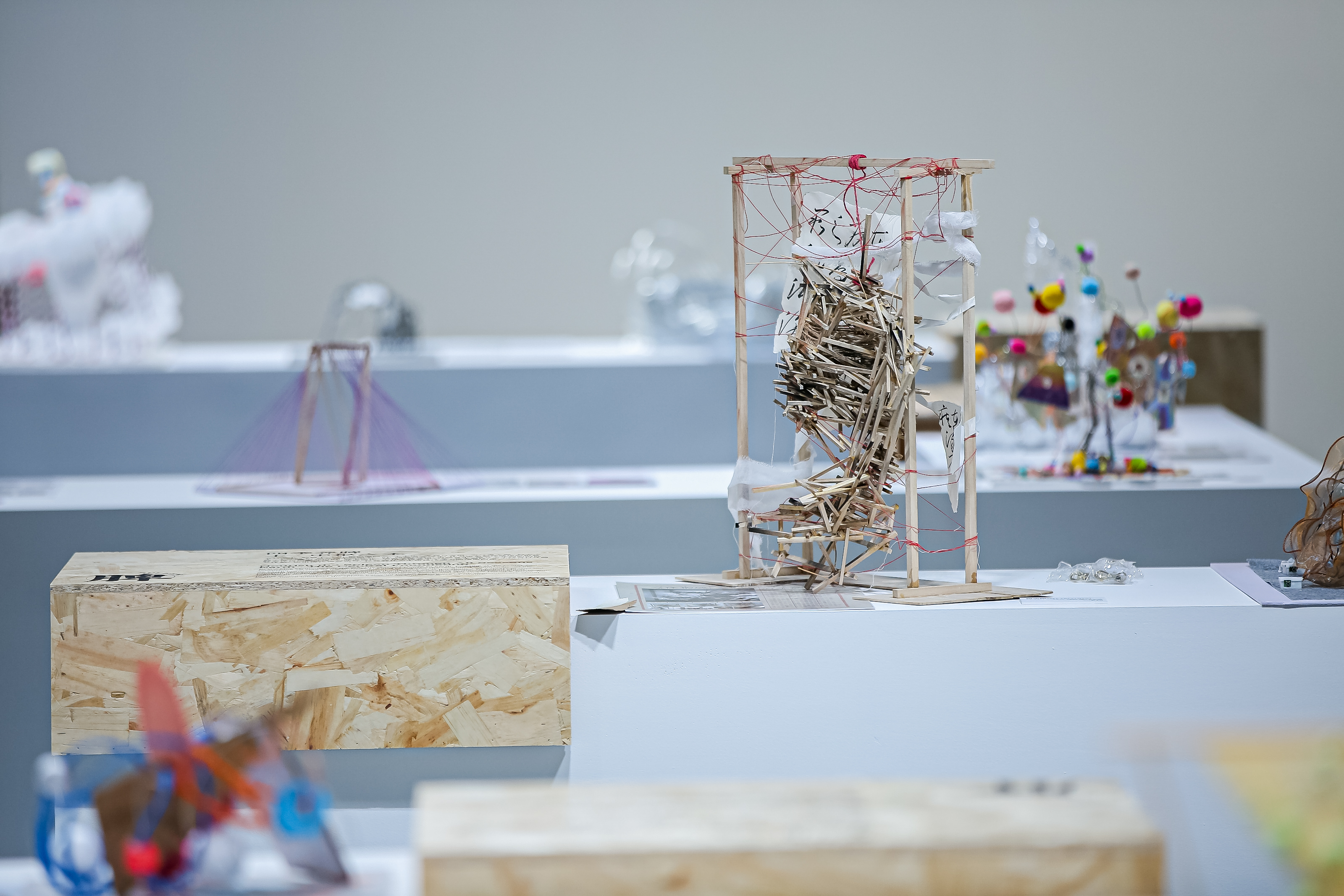
Author: Dai Feiling Creative Concept: This 3D composition work is inspired by the TCM concept of “liver qi stagnation”. Using traditional Chinese medicinal herbs such as Angelica dahurica and Ligusticum chuanxiong, the work abstracts their forms, cuts and stacks them with PVC foam boards, and integrates dreamcatcher elements associated with sleep through weaving. It constructs a three-dimensional space that explores insomnia, anxiety, and physical and mental healing.
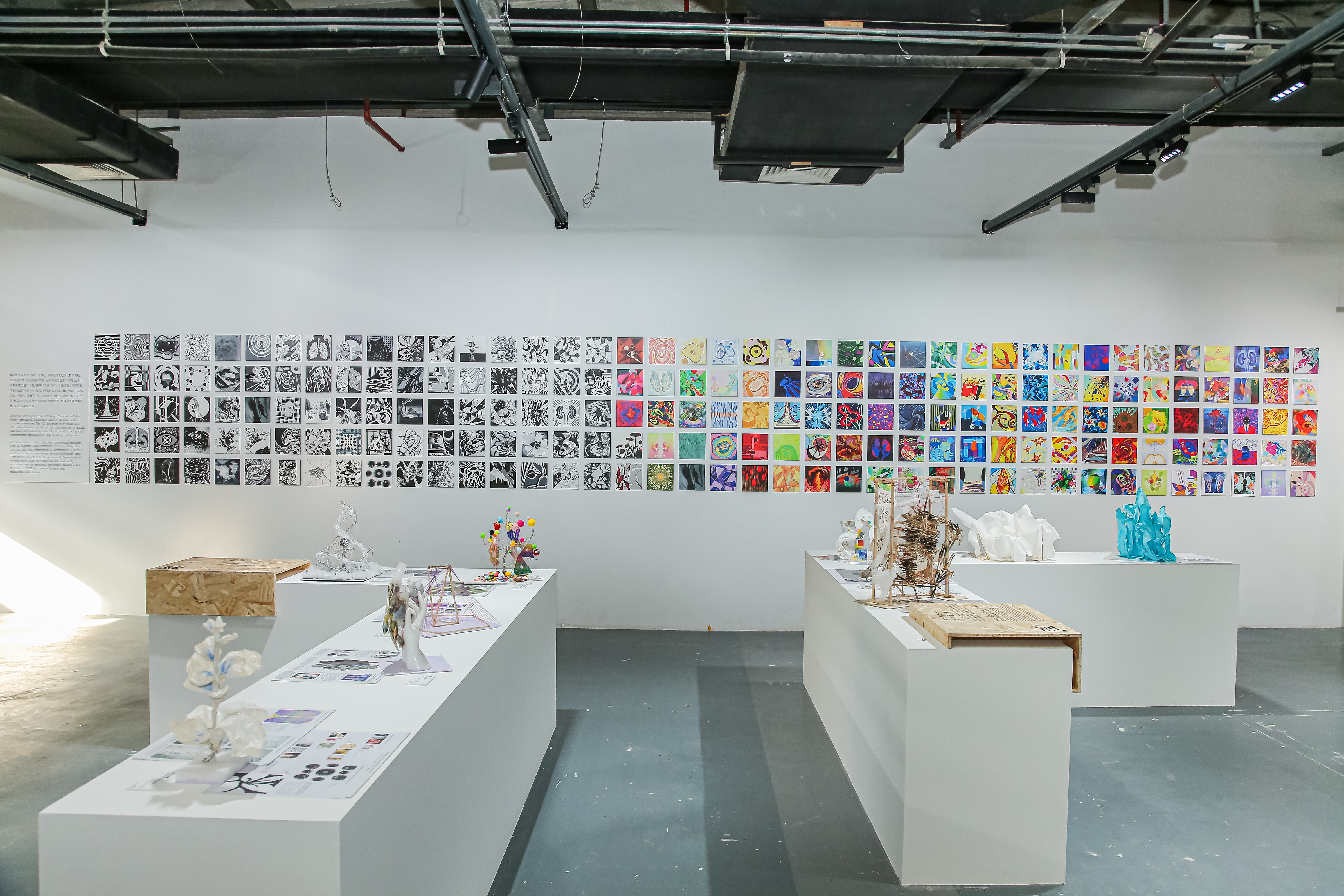
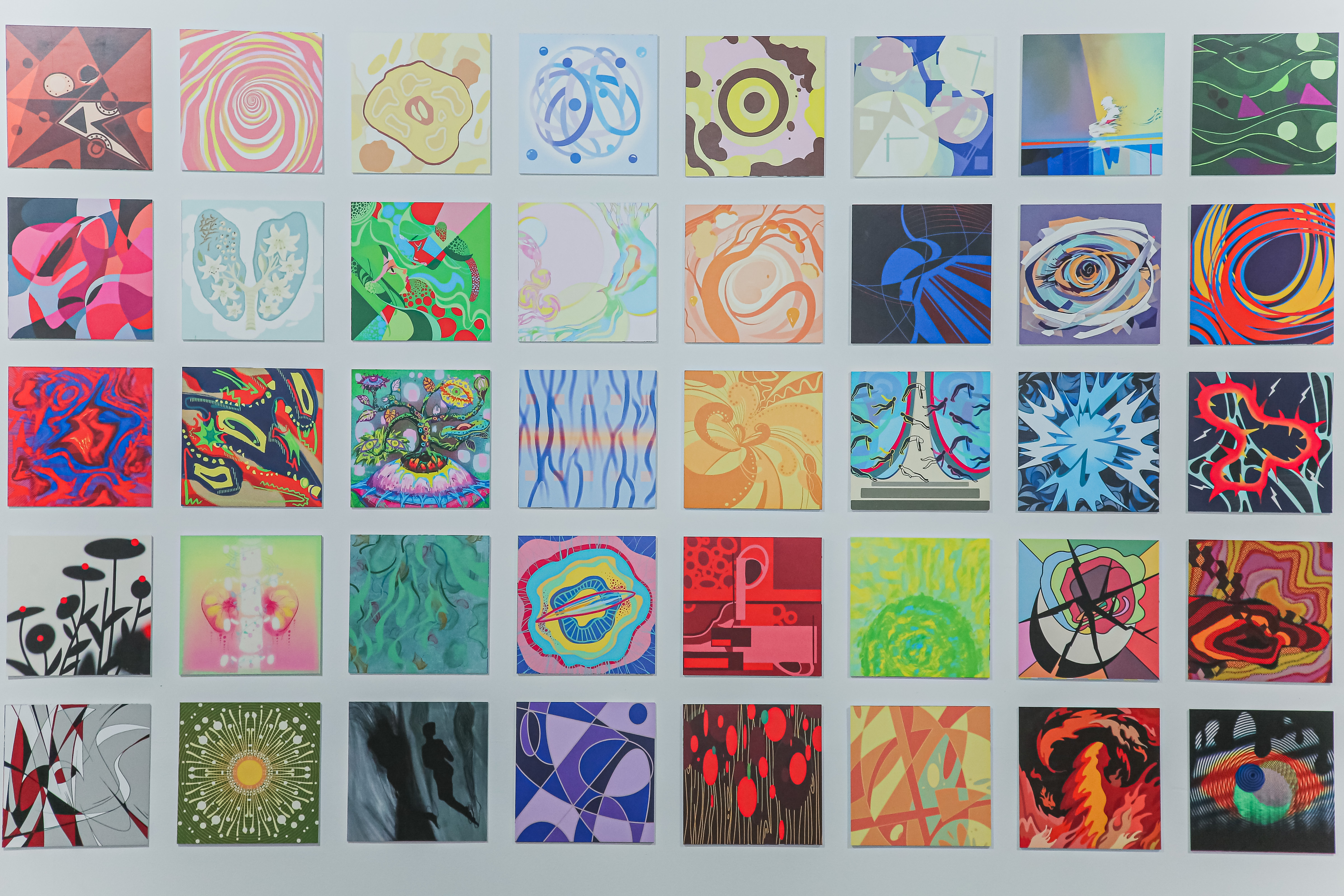
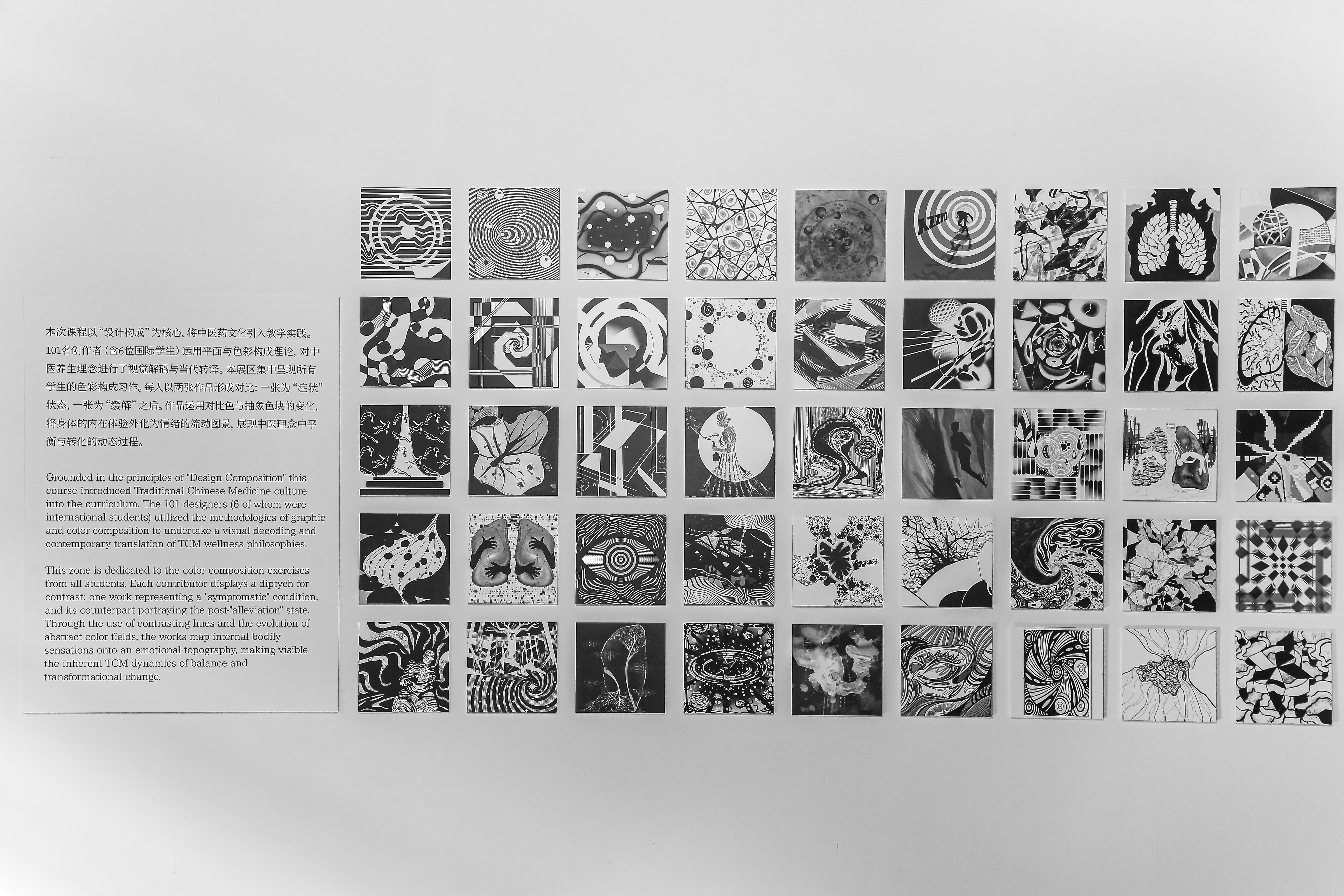
It is reported that this exhibition will last until late December. The two-dimensional works are displayed centrally on the collective creation wall, while the three-dimensional composition models are exhibited on thematic booths.
This exhibition is not only a concentrated presentation of the course achievements, but also interprets the contemporary value of traditional Chinese medicine culture from a youth perspective, providing a vivid example for the innovative dissemination of traditional culture. |





CONTACTS | RECRUITMENT | Q&A | Online Course Platform
Copyright 2019 Donghua University
Donghua University, Shanghai International College of Fashion and Innovation
Address: : No.1882, West Yan’an Road, Changning District, Shanghai, 200051